Report
Lithuania Weekly: Mocking Kapčiamiestis Military Polygon and Anti-Russian Deterrence
This week, Kremlin-aligned media in Lithuania focused on the planned military polygon in Kapčiamiestis, portraying it and anti-Russian deterrence as theatrical and disconnected from citizens’ concerns. Coverage mocked opponents of the facility, ridiculed the government and President Gitanas Nausėda, and questioned Lithuania’s security policies, framing military initiatives as exaggerated and elite-driven. Overall, familiar Kremlin-aligned narratives were reinforced: policymakers are paranoid, democratic debate is hijacked by elites, and anti-Russian measures are unnecessary and performative.
Weekly Reports

Latvia Weekly: Pro-Kremlin Narratives Mock Baltic Security and Undermine NATO Credibility
The pro-Kremlin “Antifascists of Pribaltics” channel uses mockery and logical inversions to delegitimize Baltic security efforts, falsely claiming Latvia is in NATO, because Russia has “leased” it out and portraying defensive military measures as delusional provocation. By systematically undermining confidence in Baltic defense policies and independence, the channel aims to weaken NATO cohesion and increase Baltic vulnerability to Russian pressure.
Read more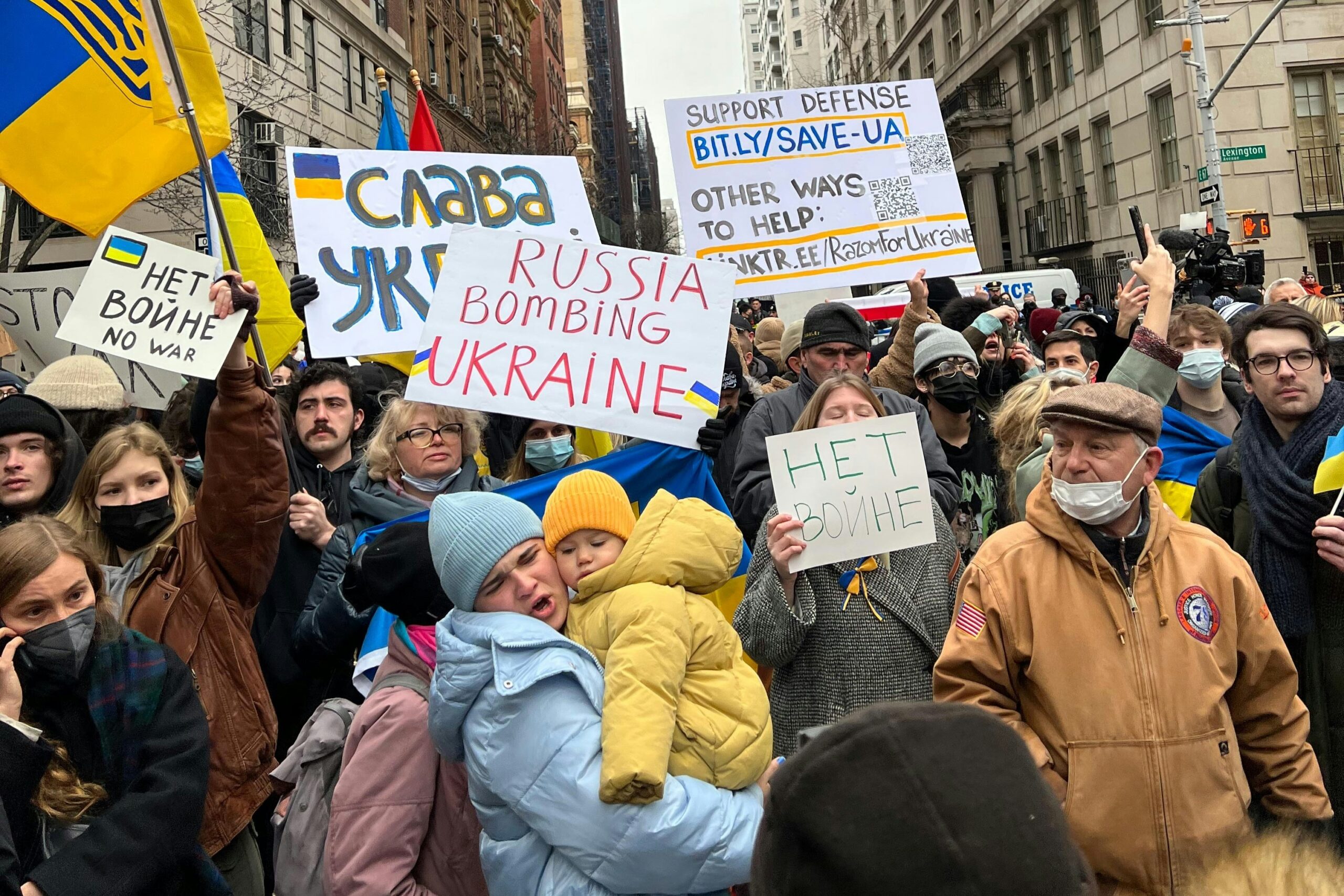
Estonia Weekly: Kremlin-Aligned Messaging Undermines Support for Ukraine
Pro-Kremlin online commentators pushed anti-Western narratives about Ukraine while Russian-language social media in Estonia largely reacted with initial confusion but cautious optimism to the new Centre Party–Isamaa coalition in Tallinn.
Read more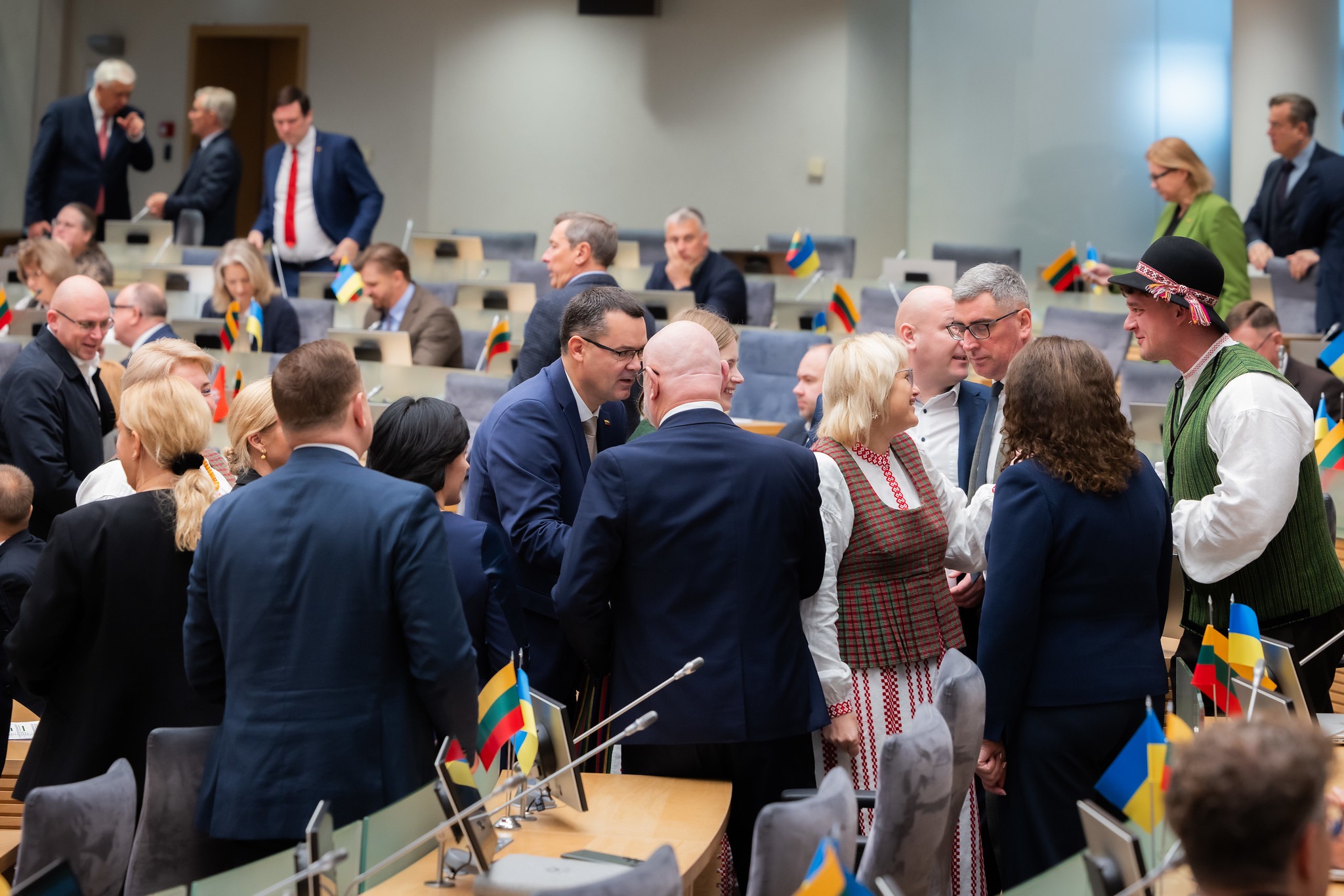
Lithuania Weekly: LRT Becomes New Target of Kremlin-Aligned Disinformation
Kremlin-linked media pushed claims that LRT is politically protected and financially unaccountable, alongside broader narratives questioning Lithuania’s stability and future. At the same time, independent media attention centered on viral reactions to First Lady Diana Nausėdienė’s speech.
Read more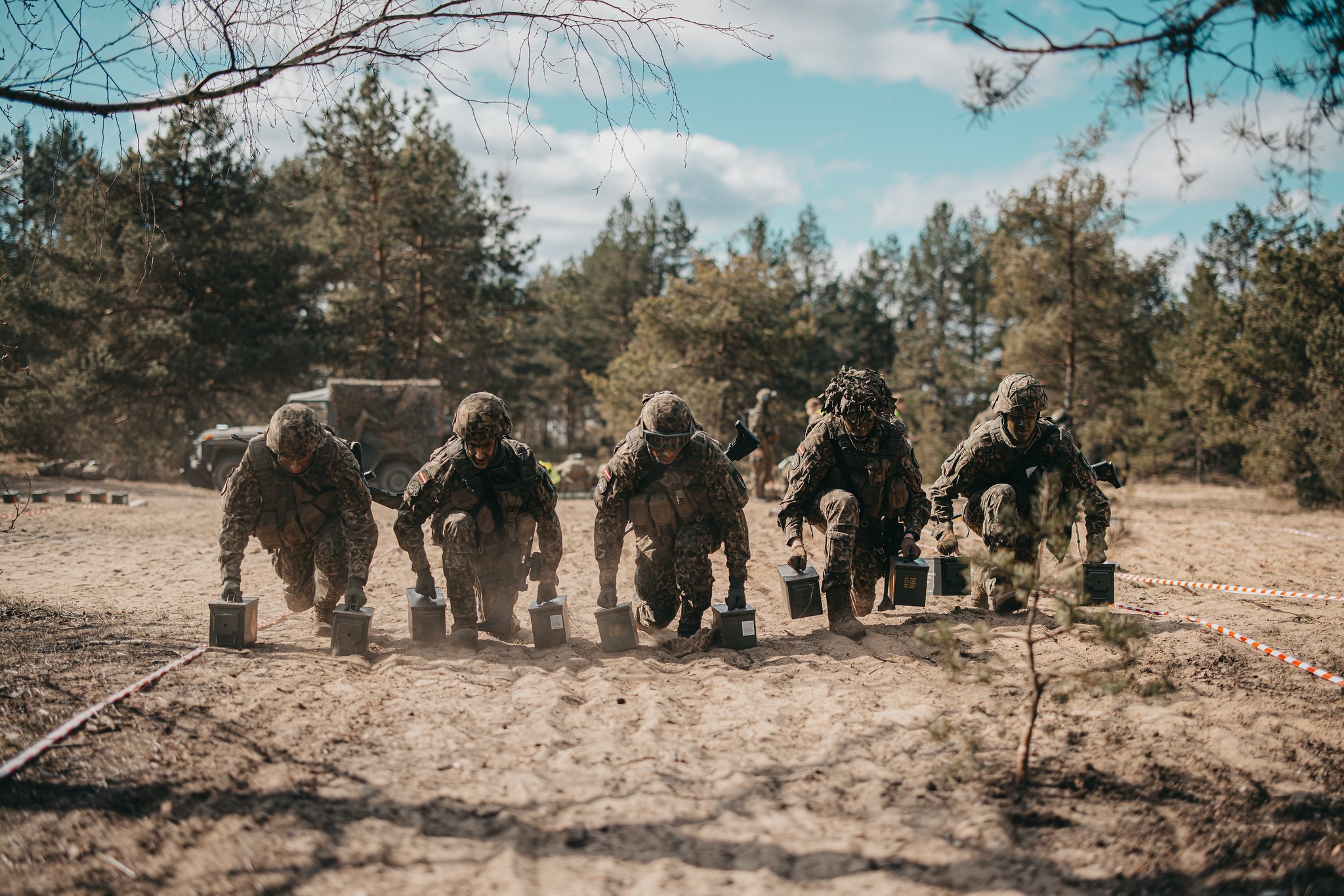
Latvia Weekly: Inversion Tactics Used to Portray Latvia as the Aggressor
The pro-Kremlin “Antifascists of Pribaltics” channel systematically inverted geopolitical reality by reframing European security warnings as warmongering aggression while portraying Russia as a passive victim of Baltic hostility. Through distortion, false equivalences, and sarcasm, the channel delegitimizes Baltic governments’ security policies and reduces economic dependence on Russia, serving Kremlin interests by undermining NATO cohesion and Baltic confidence in their own independence.
Read more
Estonia Weekly: Coalition Negotiations in Narva and Tallinn Become a Target for Identity-Based Narratives
Pro-Kremlin voices have simultaneously portrayed the 28-point peace plan as a Western trap, called for Russia to pursue maximal territorial gains, and leveraged contentious coalition negotiations in Narva and Tallinn to stoke identity-based accusations.
Read more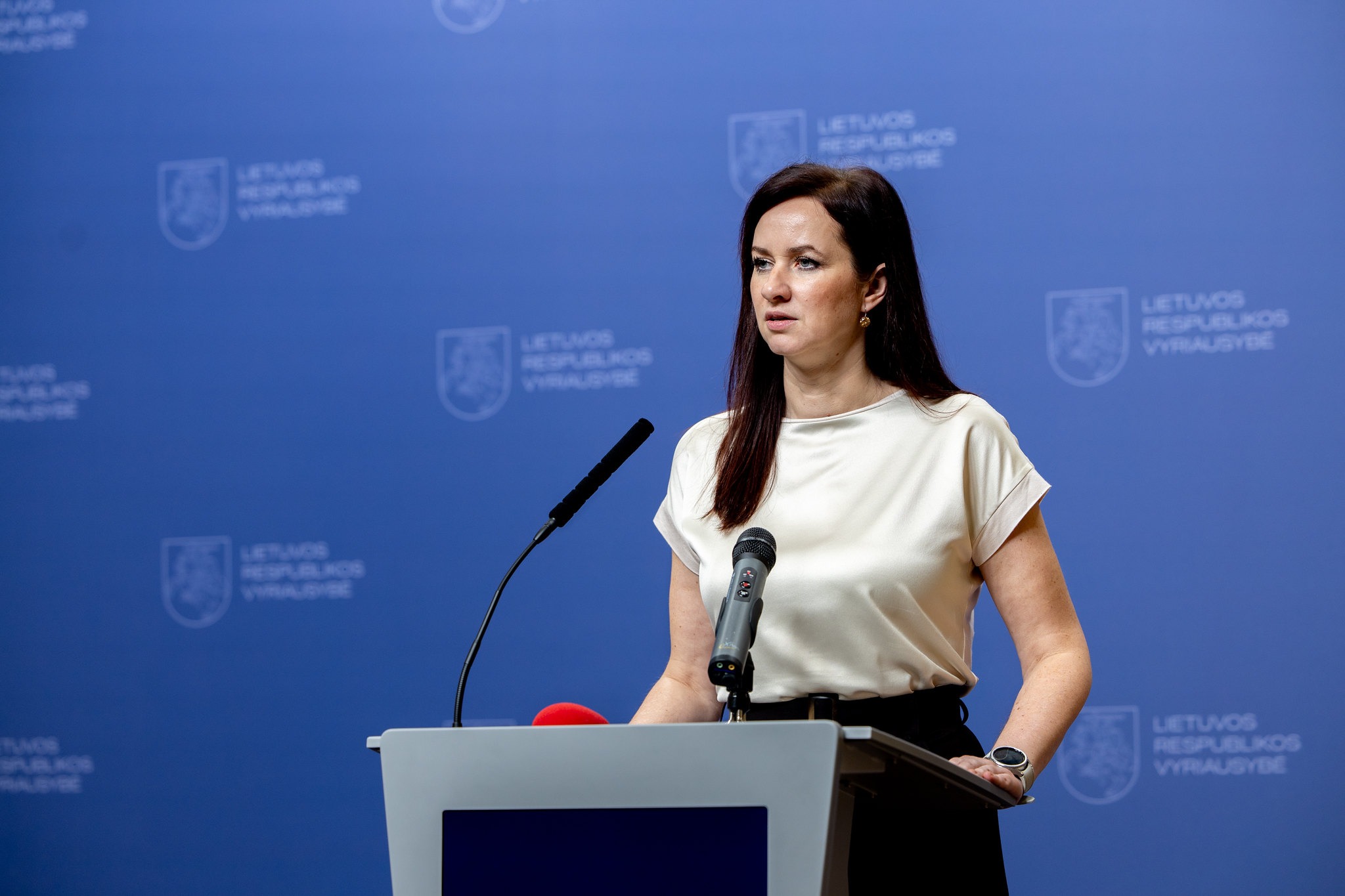
Lithuania Weekly: Disinformation Campaign Intensifies Against Lithuanian Leaders
Kremlin-linked sources repeatedly targeted President Nausėda, Prime Minister Ruginienė, and Minister Budrys, portraying them as responsible for a government in “collapse.” Highly engaged posts and sensational headlines framed them as incompetent or deliberately harmful. The narratives were designed to deepen distrust and suggest that Lithuania is trapped in manufactured political chaos.
Read more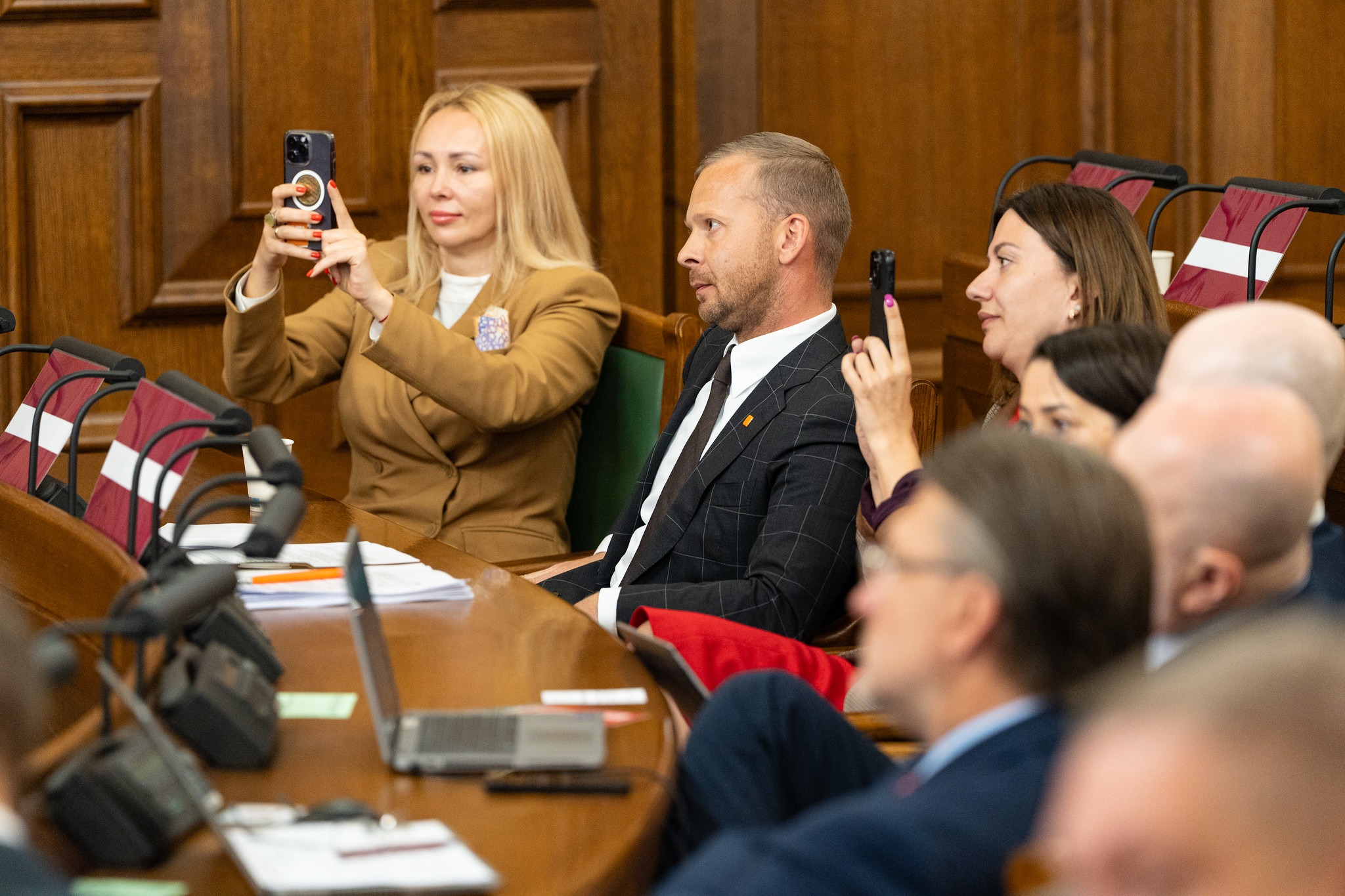
Latvia Weekly: Local Actors Amplify Stories of Oppression and Resistance
Local populist or Kremlin-aligned political actors painted a picture themselves as persecuted victims of an oppressive establishment while positioning their controversial stances as vindicated common sense. This narrative delegitimizes the state and portrays their radical populism as righteous resistance against systemic persecution.
Read more
Estonia Weekly: Limp Bizkit Concert Cancellation Sparks Nationwide Debate
Pro-Kremlin online voices commented on the wave of school-related bomb threats and extended their criticism to the heated debate over the cancellation of a Limp Bizkit concert due to the band’s pro-Putin sympathies.
Read more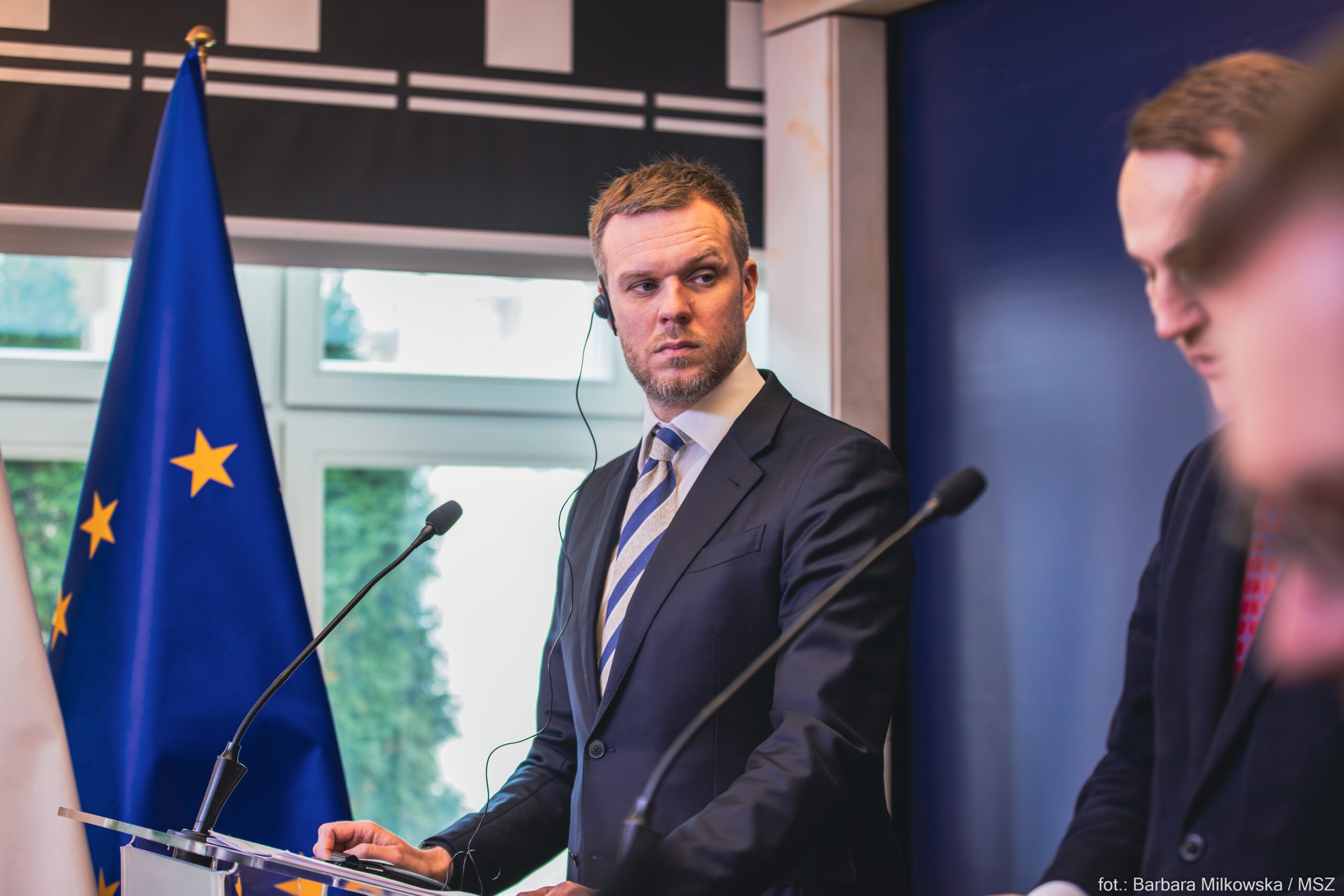
Lithuania Weekly: Disinformation Targets Landsbergis and Exploits Belarus Balloon Incidents
Pro-Kremlin media mocked Gabrielius Landsbergis over his recent human rights award and framed him as a danger to Lithuania’s interests. Parallel narratives dramatized the Belarusian balloon incidents, claiming the government manufactured hysteria to justify restrictive policies. These coordinated themes seek to portray Lithuania as insecure, manipulated, and poorly governed.
Read moreShowing 10 to 18 of 338 results
Don’t miss a story.
We publish stories that change laws, lives, minds and the world. Subscribe to our newsletter to get our investigations delivered to your inbox.