Report
Estonia Weekly: Satirical “Olivier Salad Ban” Rumour Fuels Russophobia
Pro-Kremlin online voices in Estonia amplified both fabricated claims about cultural repression and criticism of long queues at the Narva border, framing these measures as evidence of “Russophobia.”
Weekly Reports
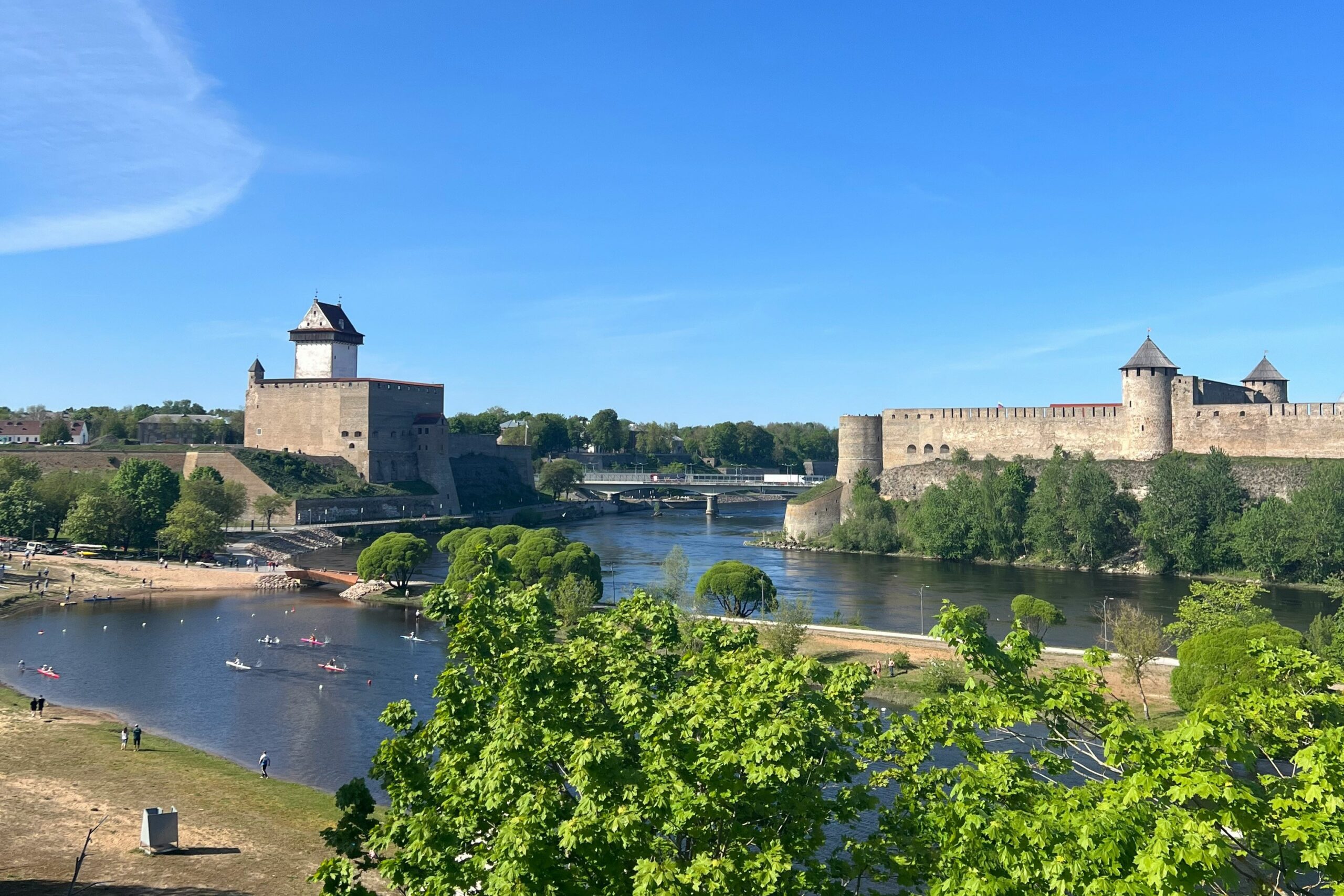
Estonia Weekly: Government Moves in Narva Fuel Propaganda
At a ministerial meeting in Narva, the Estonian government confirmed plans for a permanent military base, a regional command centre and enhancements to energy security. Pro-Kremlin critics accused the government of oversecuritising the region, escalating tensions with Russia and violating freedom of speech.
Read more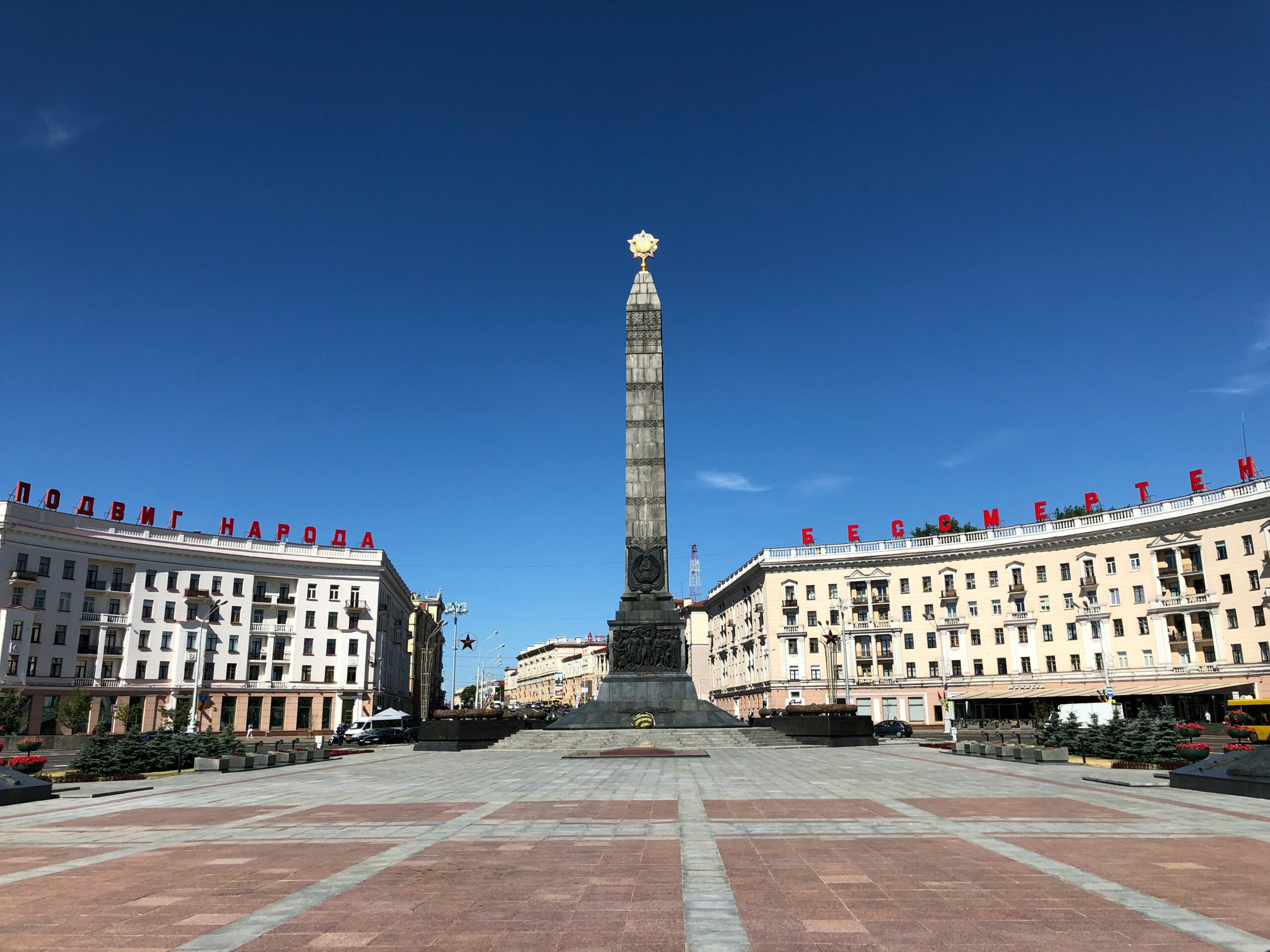
Lithuania Weekly: Vaitkus’s Belarus Trip Fuels Anti-Government Rhetoric
A recent visit to Belarus by Eduardas Vaitkus has ignited fierce controversy in Lithuania, drawing sharp criticism from government officials and becoming a propaganda tool for Kremlin-aligned media. While Minister of National Defence Dovilė Šakalienė and MP Laurynas Kasčiūnas denounced the trip as harmful to national interests, pro-Kremlin voices turned the incident into a platform for anti-government rhetoric, fueling distrust in democratic institutions and framing state leaders as the real threat to Lithuania.
Read more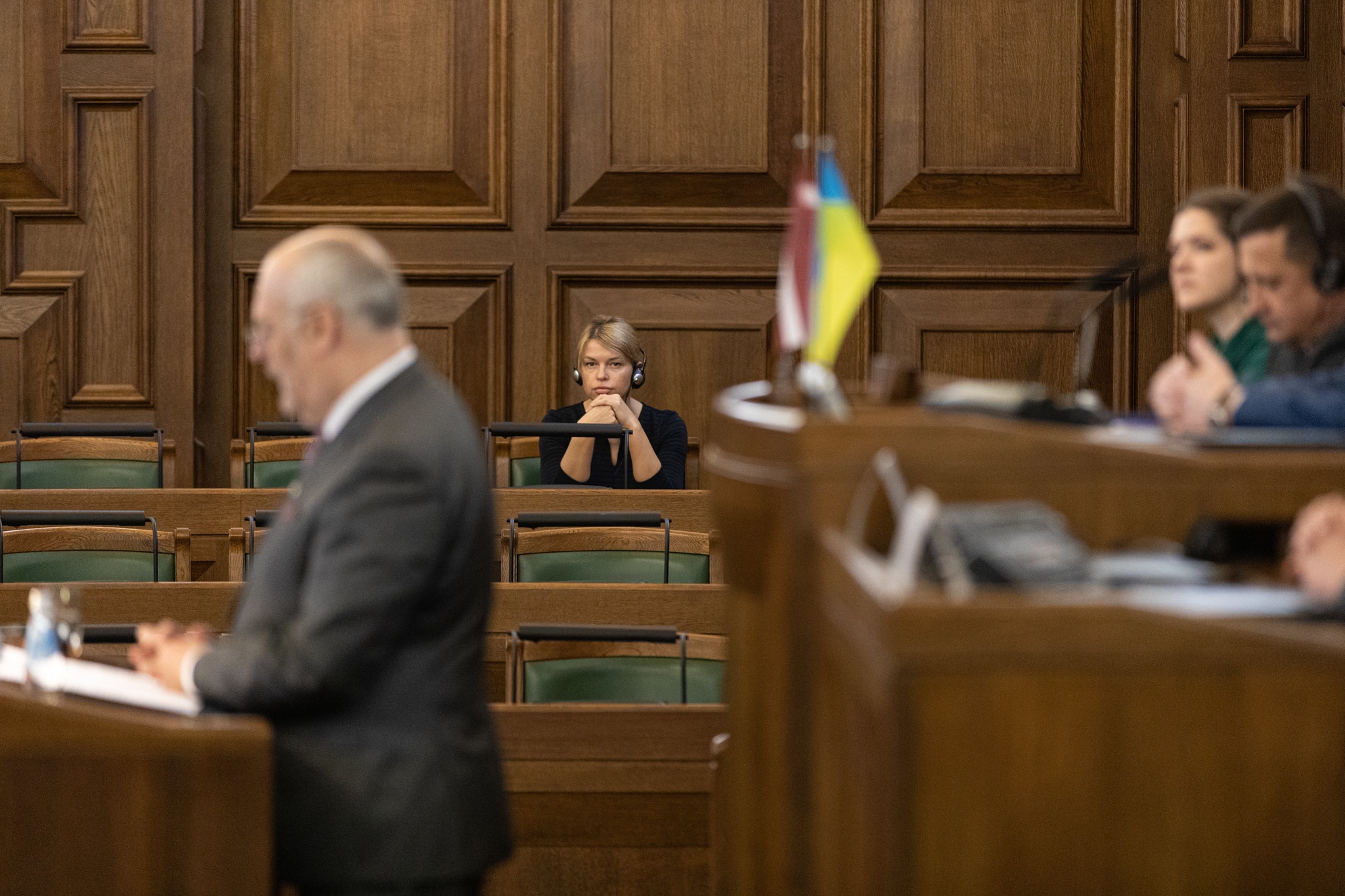
Latvia Weekly: Using TikTok to Amplify State Criticism
The most popular TikTok content from Latvia’s leading populist politicians centered on victimization narratives, minority rights advocacy, and exaggerated claims of government overreach. These politicians successfully leverage TikTok’s algorithm by combining personal drama, anti-establishment messaging, and minority advocacy to create emotionally engaging content that positions them as protectors of marginalized groups against an establishment.
Read more
Estonia Weekly: Pro-Kremlin Propaganda Targets Baltic Incidents
Pro-Kremlin commentators have exploited maritime incidents in the Baltic Sea and the testing of an emergency alert system to depict Estonia and NATO as acting in an aggressive manner that endangers regional stability.
Read more
Lithuania Weekly: May 9th as a Propaganda Tool
Kremlin-aligned media amplified Victory Day commemorations while accusing Lithuania of attempting to erase historical memory. President Nausėda’s criticism of the Moscow parade sparked a coordinated backlash, fueling claims that Baltic leaders are disrespectful of Russian traditions. Disinformation sources further misled audiences with unrelated headlines and narratives portraying Lithuania as ideologically lost and historically ignorant – reinforcing broader efforts to divide society and bolster pro-Russian sentiment.
Read more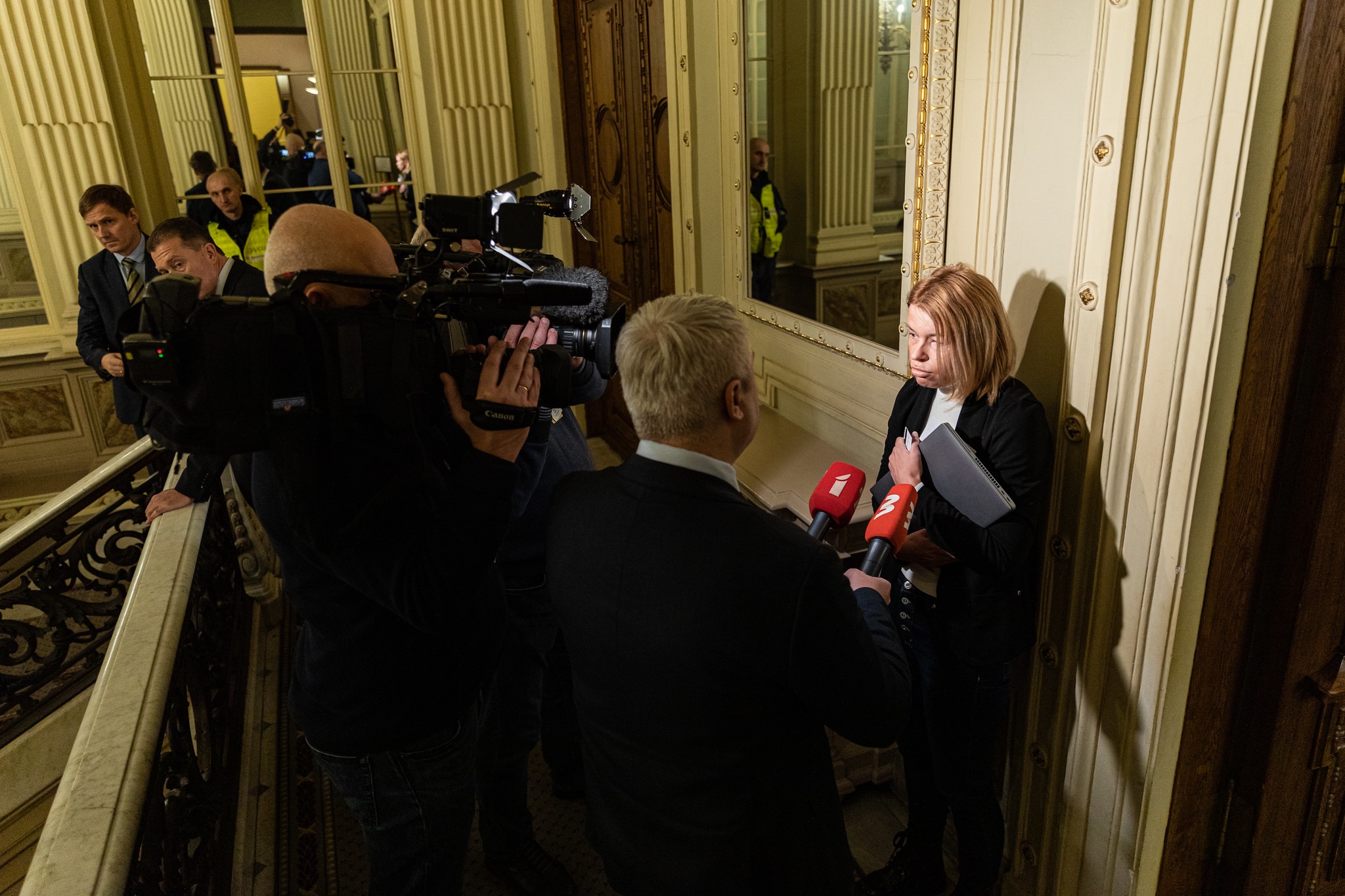
Latvia Weekly: How a Fringe Party Leveraged Disinformation for Political Ascent
The Alliance of Young Latvians, led by Glorija Grevcova and Rūdolfs Brēmanis, has gained significant social media traction by promoting pro-Kremlin narratives that frame Russian speakers as victims of systematic persecution in Latvia, while simultaneously advancing conspiratorial claims about international organizations like the WHO. As this formerly fringe political entity approaches potential representation in upcoming elections, their strategic amplification of manufactured victimhood narratives and sovereignty-based conspiracies demonstrates the mainstreaming of Kremlin-aligned disinformation within Latvia’s political discourse.
Read more
Estonia Weekly: Europe Day and Victory Day Clash in Narva
Tensions escalated during Europe Day and so-called ‘Victory Day’ celebrations, with Russia intensifying propaganda efforts. Pro-Kremlin social media commentators criticize Europe’s Day as artificial, highlighting 9 May as ‘Victory Day’ for millions of Russians and accusing Estonia of rewriting WWII history.
Read more
Lithuania Weekly: Kremlin-Aligned Media Targets Lithuanian Leadership
This past week, Kremlin-aligned outlets seized on a protest in Vilnius against the proposed real estate tax, using it as a platform for conspiracy theories and anti-government rhetoric. Alongside slogans portraying the tax as an attack on ordinary citizens, commentary amplified the coincidental timing of a fire at a nearby waste facility, suggesting it was a deliberate attempt to suppress protest turnout. The tax itself was framed as a corrupt scheme by political elites, furthering narratives aimed at eroding trust in Lithuania’s leadership and democratic institutions.
Read more
Latvia Weekly: The Rise of the Union of New Latvians
The previously fringe party Union of New Latvians, led by Glorija Grevcova and Rūdolfs Brēmanis, has gained significant social media traction and is now projected to potentially enter the Riga city council in June elections. Their viral content focuses on portraying Latvia as failing economically, alleging anti-Russian discrimination, promoting anti-globalist conspiracy theories, and positioning Grevcova as the authentic representative of Russian-speaking Latvians.
Read moreShowing 82 to 90 of 334 results
Don’t miss a story.
We publish stories that change laws, lives, minds and the world. Subscribe to our newsletter to get our investigations delivered to your inbox.