Main narratives:
- undermining threat from Russia/Belarus;
- general anti-government sentiments;
- scepticism towards NATO functionality;
- the incompetence of the current government.
Overview:
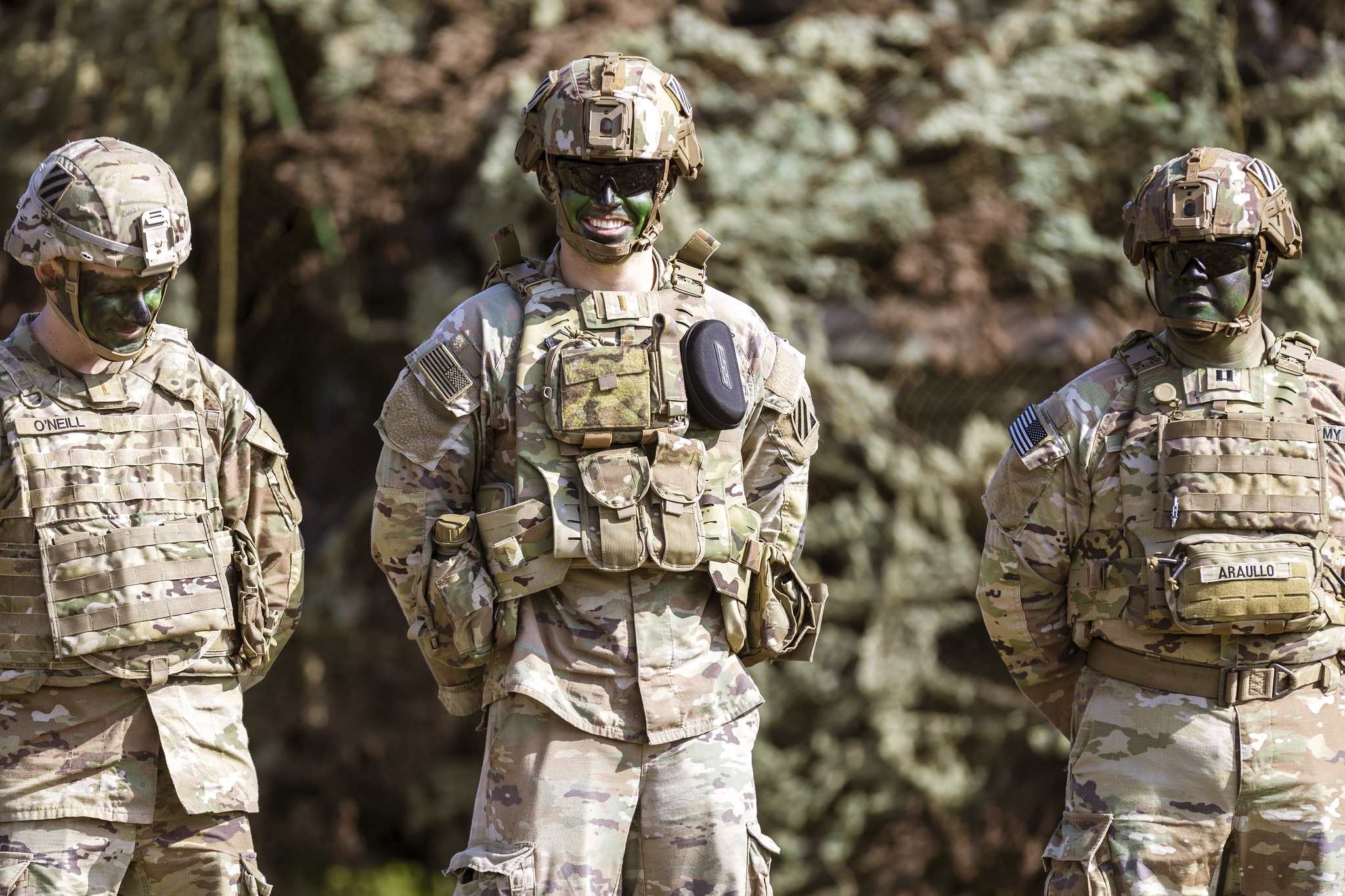
During this week, Kremlin-aligned media in Lithuania shifted attention to the planned military polygon in Kapčiamiestis, portraying it as highly controversial. Coverage highlighted public discussions around the construction of the training ground and mockingly suggested that citizens who oppose military facilities are accused of being influenced by “Kremlin narratives.”
Outlets also ridiculed the government and President Gitanas Nausėda, using exaggerated descriptors referencing corruption, past Soviet ties, support for Ukrainian soldiers, and controversial domestic policies. The polygon and anti-Russian deterrence were depicted as theatrical, overblown, and disconnected from ordinary citizens’ concerns.
Coverage repeatedly pointed out the alleged nonsense of Lithuania’s security policies, combining the Kapčiamiestis polygon with personal attacks on political figures, while ridiculing the rationale for “deterring Russia” as a pretext for over-militarization. Anti-government messaging was paired with irony about civic life being disrupted, suggesting that ordinary citizens were forced to endure theatrical security measures imposed by an elite disconnected from reality.
Overall, coverage once again reinforced familiar Kremlin-aligned themes: Lithuanian policymakers are paranoid and theatrical, military initiatives are exaggerated, democratic debate is hijacked by elites, and the government’s anti-Russian deterrence is portrayed as unnecessary, performative, and ripe for ridicule.