Category:
Reports

Estonia Weekly: Air Baltic Flight Cancellations Ignite Criticism
Excerpt: A Soviet song during ETV+'s New Year's Eve TV concert was criticised for promoting the Soviet era, while others argued against Russophobia. The cancellation of Air Baltic flights revived old accusations of wasting taxpayers' money and prompted criticism of the Estonian authorities.
Read more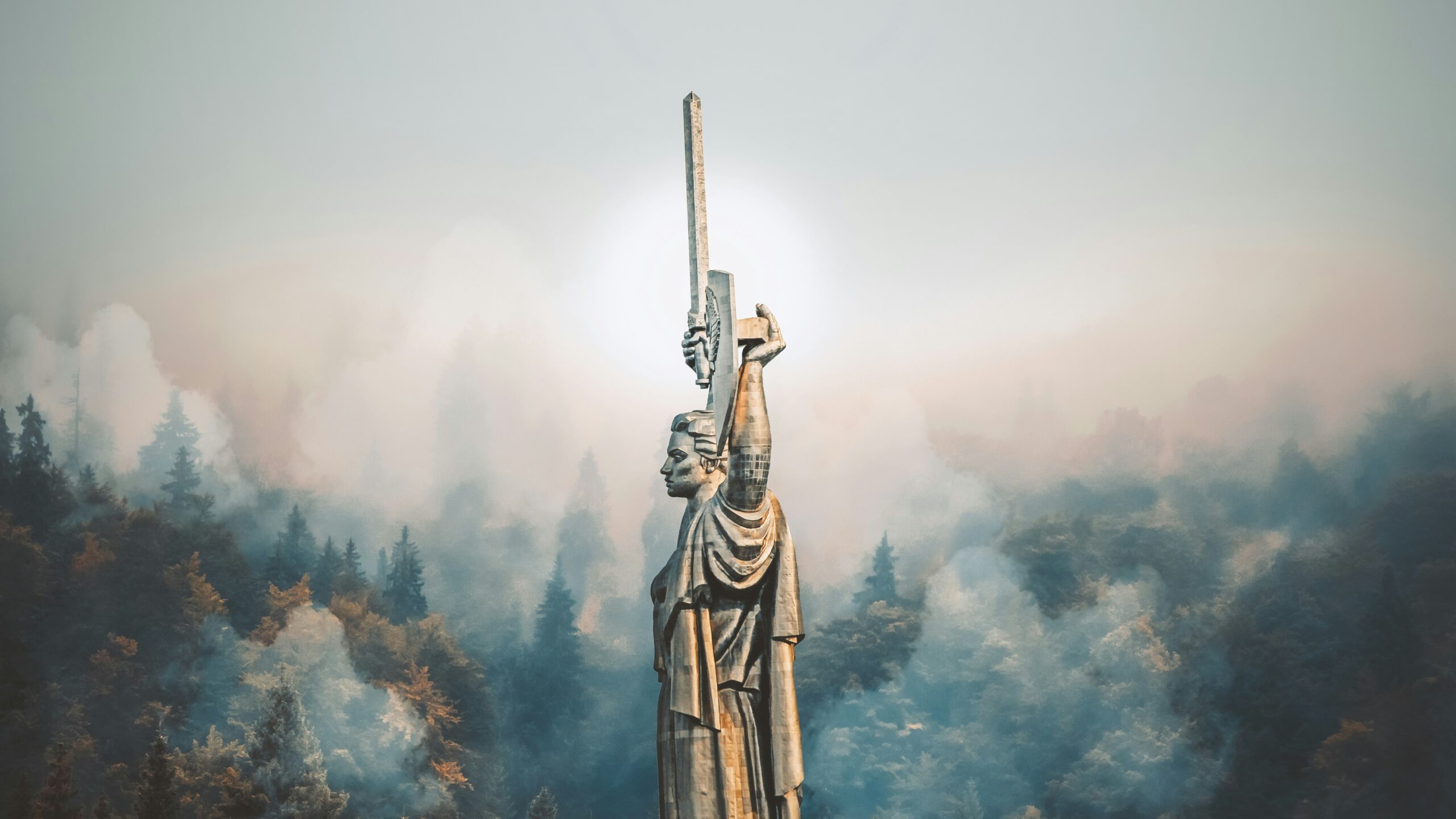
Lithuania Monthly: Make russia Small Again
The disqualification of Lithuanian athlete Kornelija Dūdaitė from the World Functional Sports Championships sparked widespread debate, highlighting the entanglement of sports and global politics. Celebrated at home for her bold stance against Russian athletes competing under their national symbols, Dūdaitė faced intense criticism from Kremlin-aligned actors who labeled her actions as Russophobic. This incident underscores how geopolitical tensions permeate even the sporting arena, with reactions ranging from admiration to condemnation on a global scale.
Read more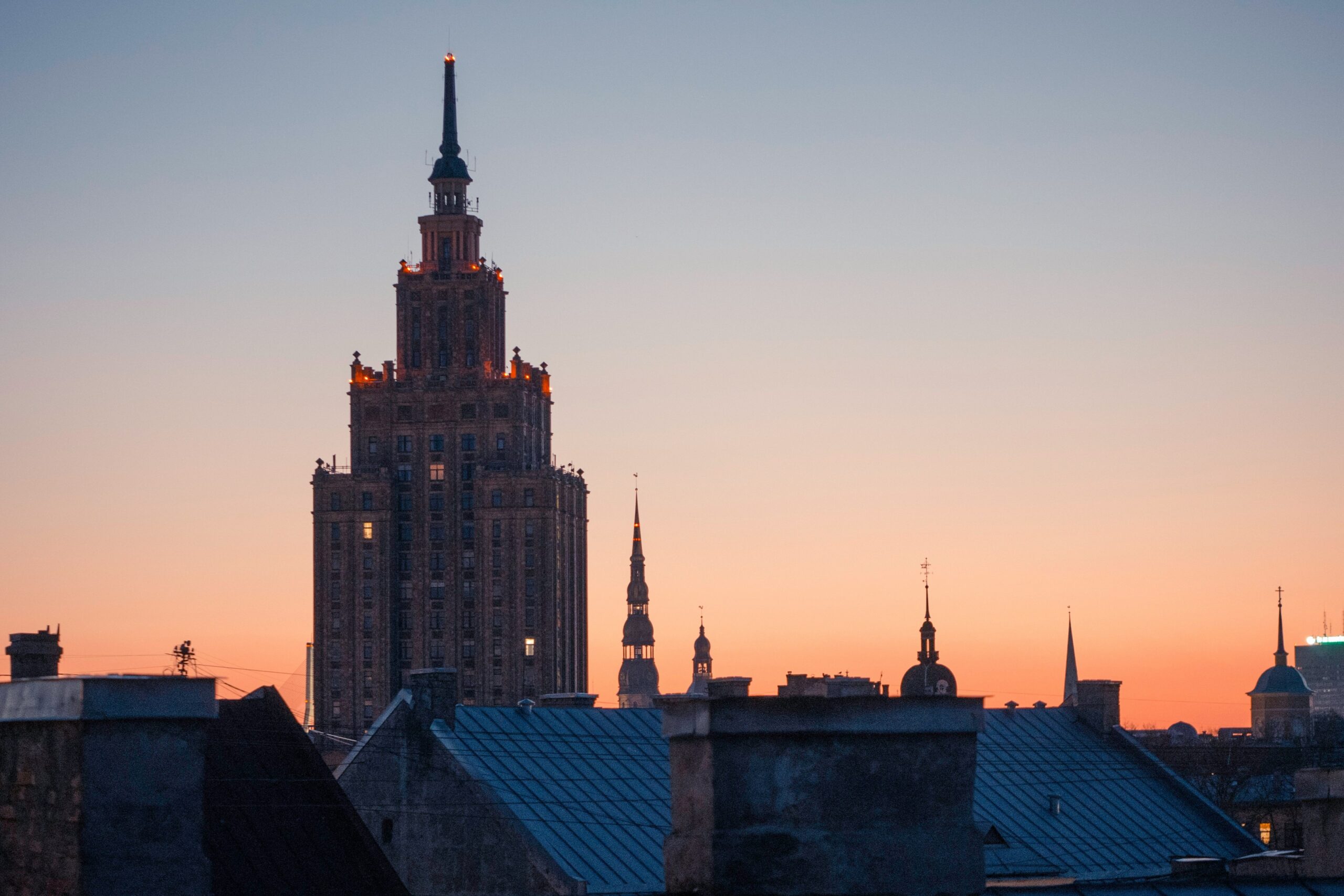
Latvia Monthly: The Russophobia Narrative
In December, Kremlin-aligned social media continued pushing narratives portraying Latvia as a Russophobic, undemocratic failed state while also amplifying Donald Trump's foreign policy statements to normalize Russia's aggressive policies. These channels also leveraged Trump's statements about potential US territorial expansion to legitimize Russia's own territorial aggression and portray international relations as purely transactional.
Read more
Estonia Monthly: Estlink-2 Incident Sparks Disinformation Surge
In December 2024, the Estlink-2 undersea power cable between Estonia and Finland suffered significant damage, sparking geopolitical tensions and a surge in disinformation. Investigations pointed to the Russian oil tanker Eagle S as the likely culprit, while NATO and the EU raised concerns about critical infrastructure security. Simultaneously, Kremlin-aligned disinformation campaigns sought to deflect blame, spreading conspiracy theories that framed the incident as a Western fabrication to justify increased military spending and NATO presence. These narratives aimed to undermine public trust and sow division across Europe.
Read moreShowing 169 to 172 of 396 results
Don't miss a story.
We publish stories that change laws, lives, minds and the world. Subscribe to our newsletter to get our investigations delivered to your inbox.