Category:
Reports

Lithuania Weekly: May 9th as a Propaganda Tool
Kremlin-aligned media amplified Victory Day commemorations while accusing Lithuania of attempting to erase historical memory. President Nausėda’s criticism of the Moscow parade sparked a coordinated backlash, fueling claims that Baltic leaders are disrespectful of Russian traditions. Disinformation sources further misled audiences with unrelated headlines and narratives portraying Lithuania as ideologically lost and historically ignorant - reinforcing broader efforts to divide society and bolster pro-Russian sentiment.
Read more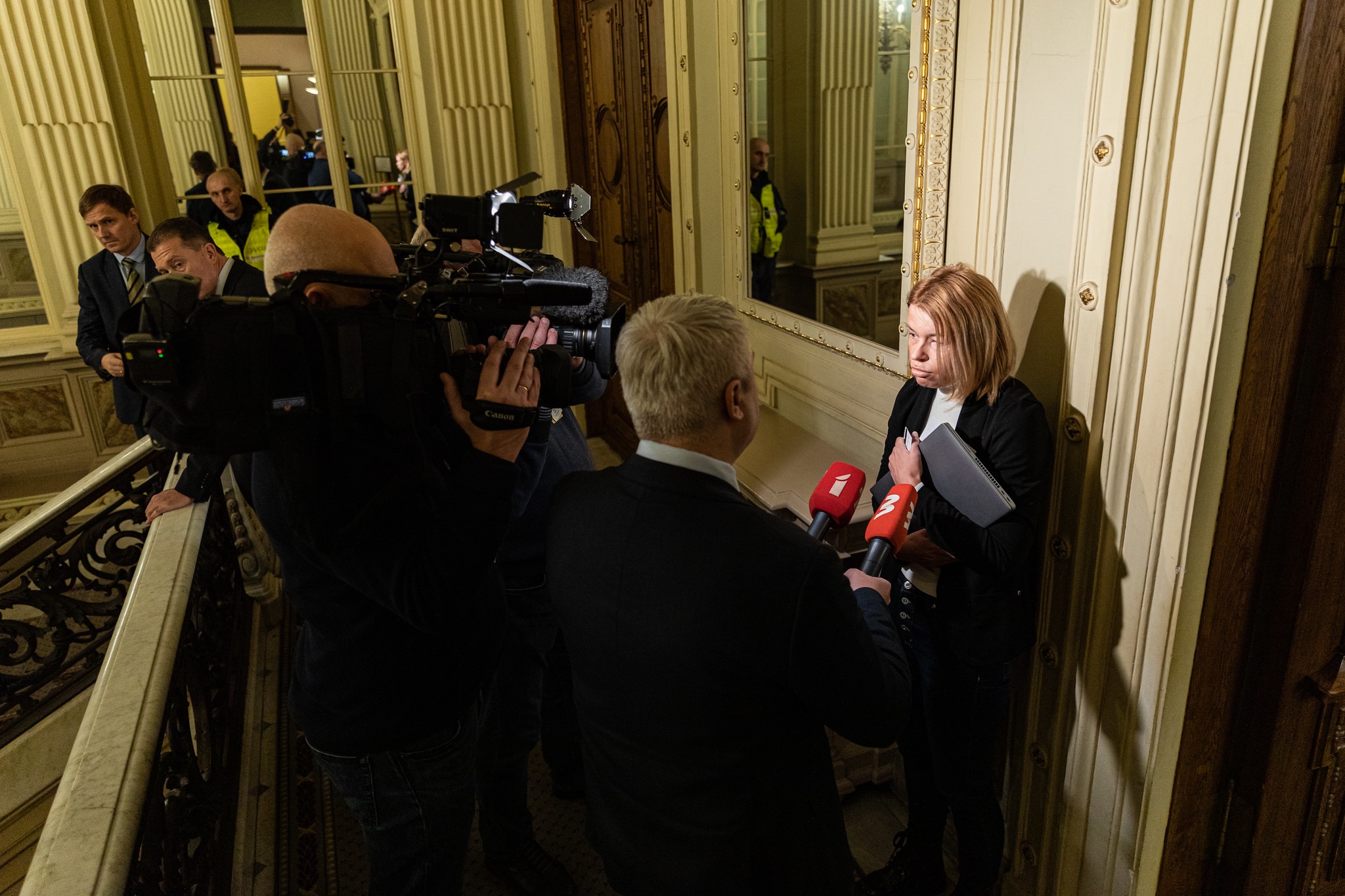
Latvia Weekly: How a Fringe Party Leveraged Disinformation for Political Ascent
The Alliance of Young Latvians, led by Glorija Grevcova and Rūdolfs Brēmanis, has gained significant social media traction by promoting pro-Kremlin narratives that frame Russian speakers as victims of systematic persecution in Latvia, while simultaneously advancing conspiratorial claims about international organizations like the WHO. As this formerly fringe political entity approaches potential representation in upcoming elections, their strategic amplification of manufactured victimhood narratives and sovereignty-based conspiracies demonstrates the mainstreaming of Kremlin-aligned disinformation within Latvia's political discourse.
Read more
Estonia Weekly: Europe Day and Victory Day Clash in Narva
Tensions escalated during Europe Day and so-called ‘Victory Day’ celebrations, with Russia intensifying propaganda efforts. Pro-Kremlin social media commentators criticize Europe's Day as artificial, highlighting 9 May as 'Victory Day' for millions of Russians and accusing Estonia of rewriting WWII history.
Read more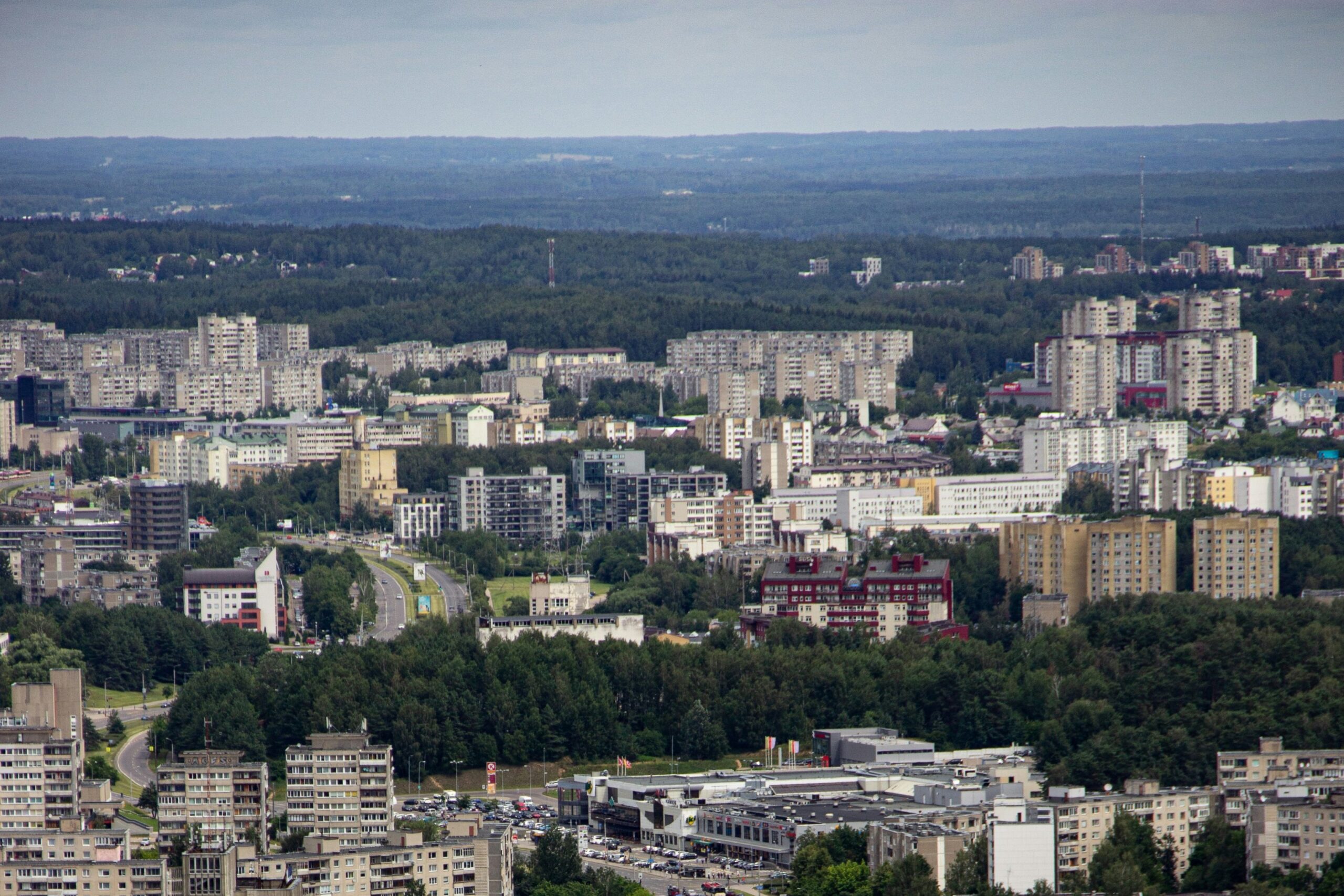
Lithuania Monthly: Real Estate Tax Protest Becomes a Tool for Kremlin's Disinformation
A protest against Lithuania’s new real estate tax in April became a lightning rod for Kremlin-aligned media, which framed the demonstration as a sign of civil unrest and government collapse. Originally aimed at aligning with Western fiscal norms, the policy sparked public backlash - now amplified by narratives of corruption, conspiracy, and social injustice. Disinformation actors portrayed the protest as a grassroots revolt against a failing system, using emotionally charged slogans, fabricated links to unrelated events, and high-profile influencers to erode trust in the Lithuanian government and democratic institutions.
Read moreShowing 105 to 108 of 396 results
Don't miss a story.
We publish stories that change laws, lives, minds and the world. Subscribe to our newsletter to get our investigations delivered to your inbox.