Key Takeaways:
1. Main events shaping the disinformation landscape:
Lithuania:
- BRELL disconnection.
- NATO-related incidents (missing US soldiers, German brigade deployment).
- Domestic unrest (protests, coalition changes).
Latvia:
- Trump inauguration and Summit with Putin → narratives on US/NATO instability.
- BRELL exit.
- Local elections and the rise of radical actors.
- Controversies around Latvian-language education and the Istanbul Convention.
Estonia:
BRELL exit and energy-security debates.
- Disputes over the Russian-aligned Orthodox Church.
- Pushback on e-elections and voting reforms.
- Narratives exploiting Narva base plans, 9 May events, and school threat incidents.
2. Main narratives – similarities and differences:
Shared across all Baltic countries:
- Governments are framed as corrupt/incompetent.
- NATO is portrayed as dangerous or unreliable.
- The West is depicted as morally decaying.
- BRELL exit framed as harmful.
- Baltic States portrayed as US/EU “vassals”.
Country-specific narratives:
- Lithuania: defence issues & protests.
- Latvia: identity politics, Russian-speaking minority, “gender ideology”.
- Estonia: discrimination against Russian-speakers & e-election delegitimation.
3. Affected areas:
- Defence and energy policy.
- Elections and institutional trust.
- Social cohesion (ethnic, linguistic, ideological).
- Economic policy debates.
- Identity/culture (language, LGBTQ+, family values).
4. Overview of the anti-Ukrainian narrative:
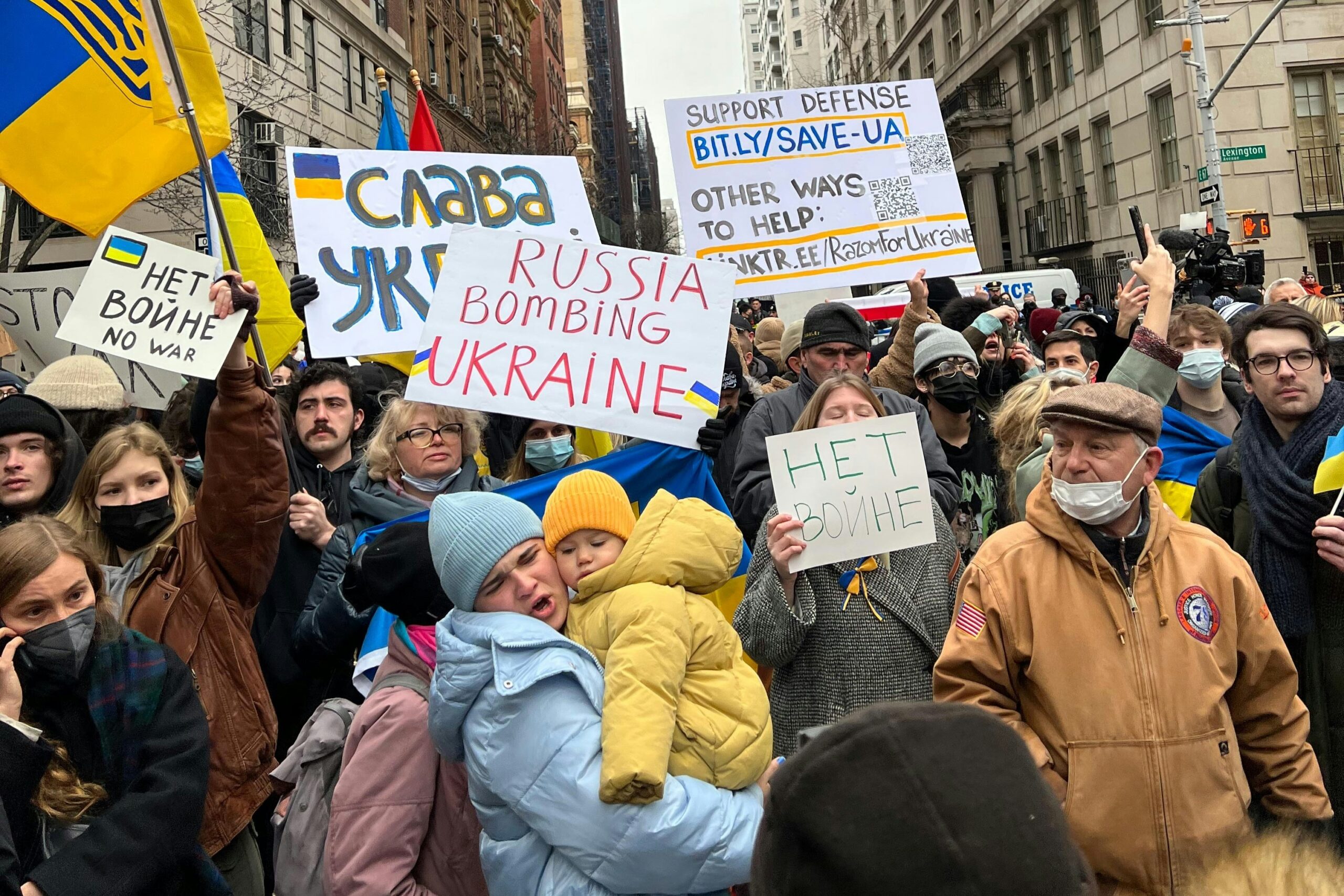
- Support for Ukraine is framed as economically harmful and provocative.
- Ukraine is depicted as corrupt, doomed, or undeserving.
- Refugees are portrayed as burdensome.
- Claims that Western support is fading, therefore Baltics should withdraw.
5. Main goals of disinformation campaigns:
- Undermine trust in governments, elections, and media.
- Reduce support for Ukraine and NATO.
- Increase social division and fatigue.
- Delegitimise defence and energy security decisions.
- Normalise pro-Kremlin positions via local actors.
Methodology:
This report was prepared using publicly available information sources and the YouScan media monitoring tool to systematically analyse and monitor media content across Lithuanian platforms that promote Kremlin-aligned narratives. The research encompassed the entire calendar year of 2025, spanning from January 1 to November 30. The analysis included a comprehensive review of various sources, such as websites, social media profiles, and communication channels. Throughout the study, YouScan identified and aggregated a large volume of content from the Baltic states, including posts, videos, articles, and comments. A significant portion of the analyzed data for all Baltic states is available on the Balticdisinfo.eu platform.