Main narratives:
- Anti-defence sentiments
- Anti-Ukrainian sentiments
Overview:
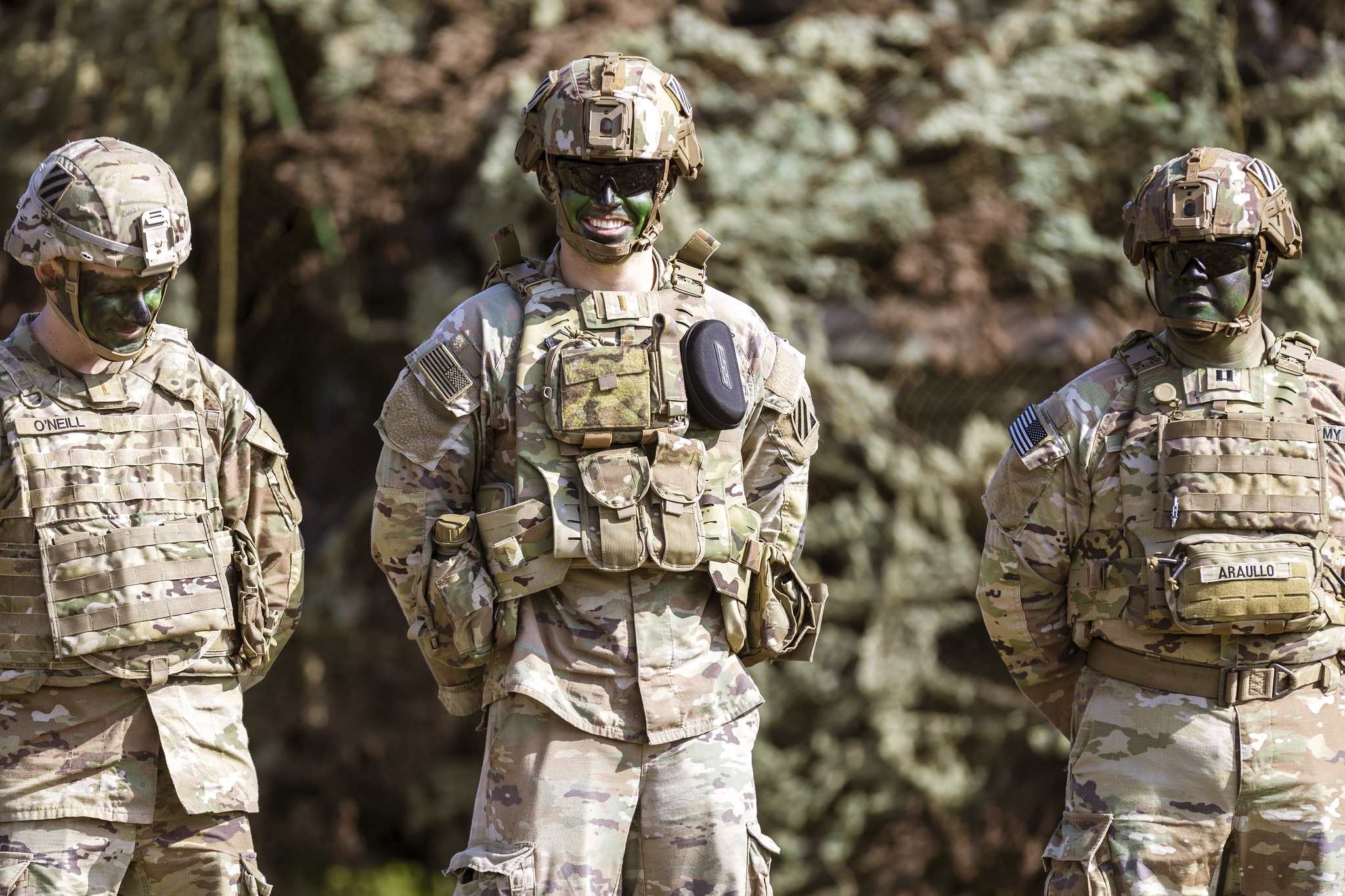
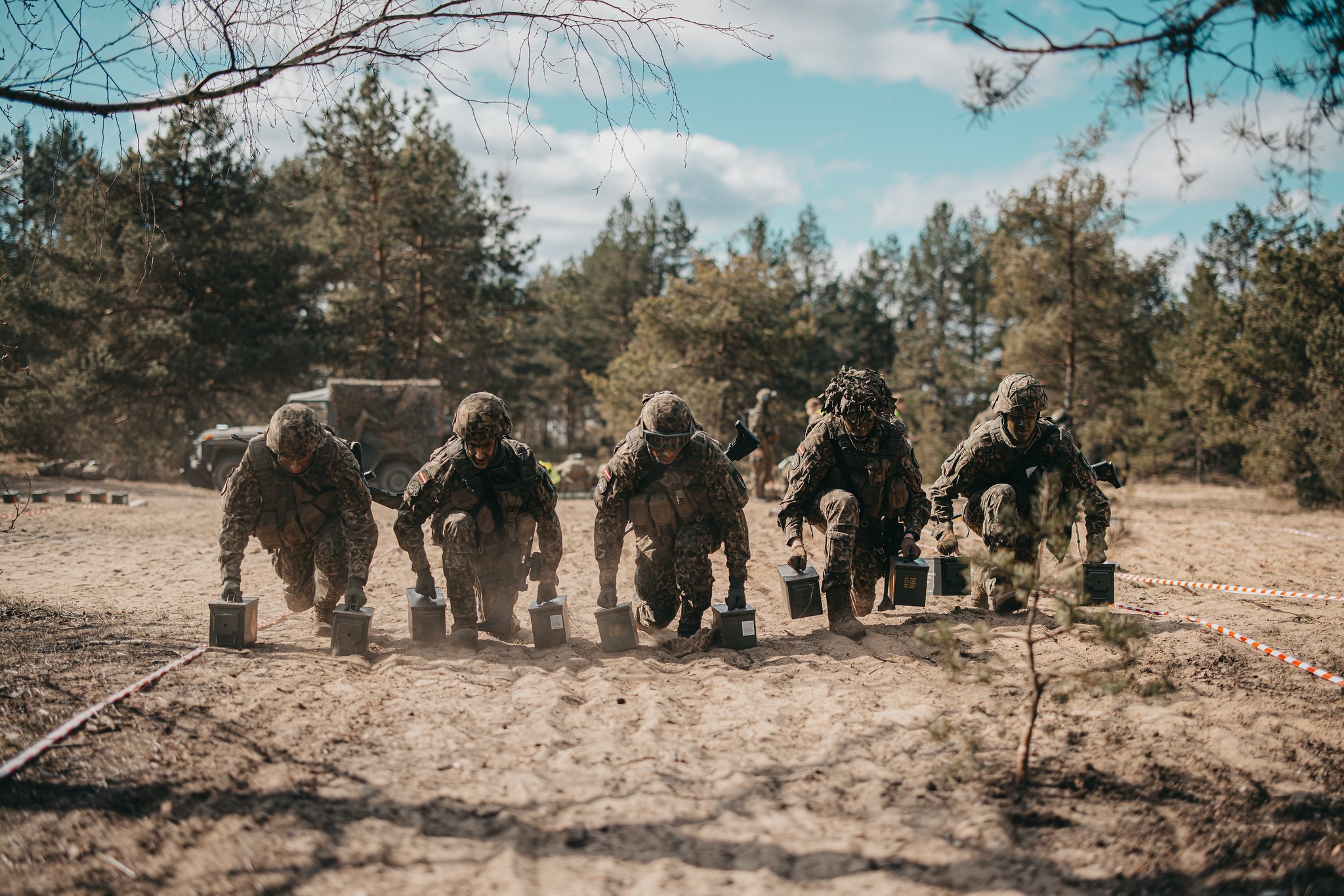
Reactions in Estonia to the government’s decision to introduce a uniform 12-month military conscription service from 2027 were generally mixed. Government and defence officials framed the change as a necessary security measure, arguing that modern warfare, increasingly complex weapons systems, and lessons from the war in Ukraine require longer, higher-quality training and sustained readiness. Much of the mainstream media echoed this security-driven rationale, and part of the public accepted the move as unavoidable given Estonia’s regional threat environment. At the same time, critical voices – mainly in online discussions – highlighted practical and social concerns, including longer interruptions to studies and early careers, reduced income, and what many see as inadequate financial compensation for conscripts. Some questioned whether the Defence Forces could use the additional time productively, fearing it might be spent on routine duties rather than meaningful training, while others raised fairness issues, such as unequal social impacts and the continued reliance on male conscription. In parallel, pro-Kremlin commentators promoted sceptical narratives, questioning whether conscription is necessary for a small country like Estonia and calling for its abolition in favour of redirecting funds to social care and healthcare.
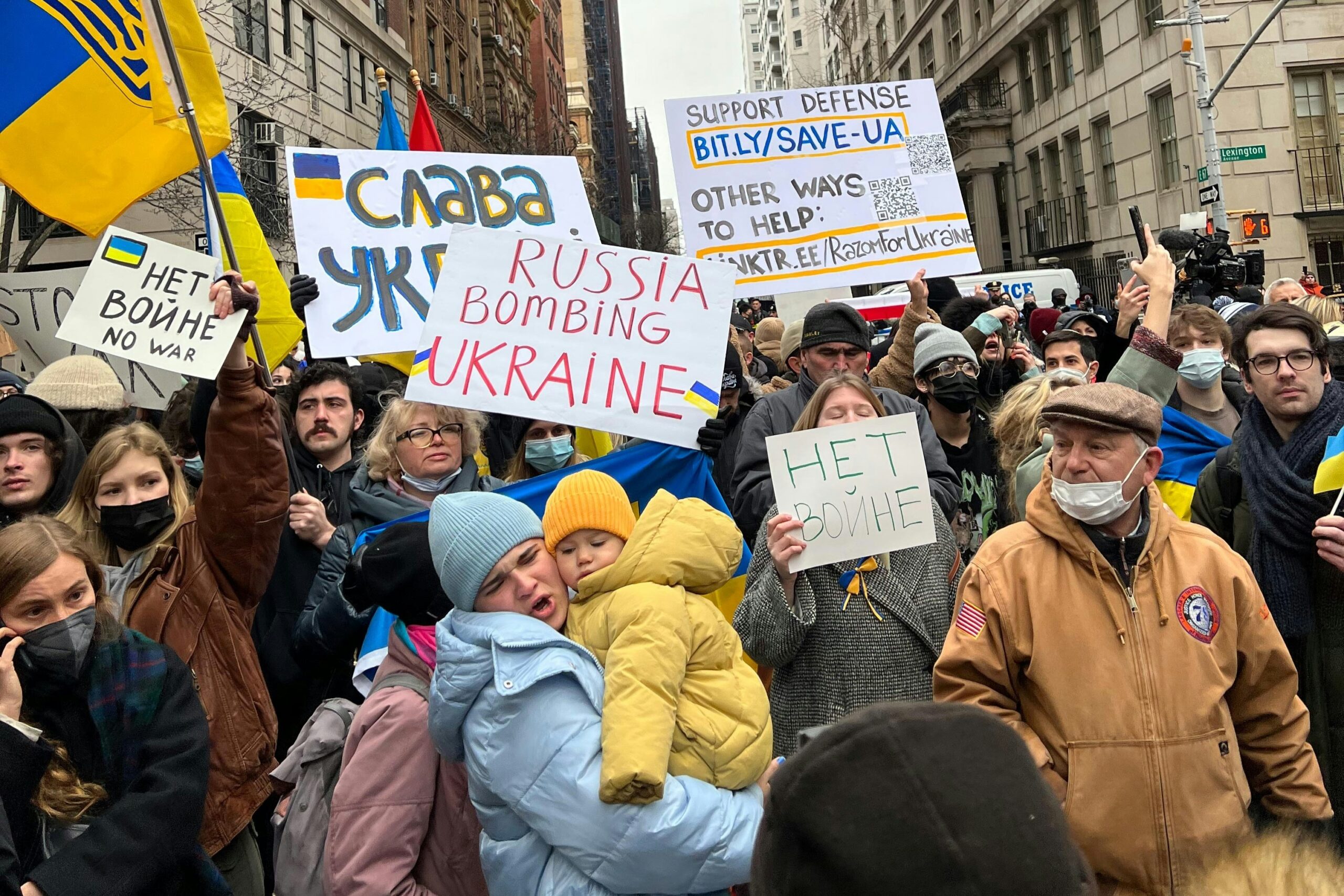
On Saturday evening, 20 December, an explosion occurred at the Ülemiste shopping centre in Tallinn. Emergency services confirmed that a rubbish bin had detonated, injuring one person. Visitors were evacuated from the premises. It was later established that the explosion had been caused by a 60-year-old resident of Tallinn, whose motive was to cause damage to the shopping centre. He was arrested, and the Internal Security Service stated that the incident was not classified as a terrorist attack. The incident quickly became a subject of widespread discussion on social media. A significant number of commentators expressed distrust toward the official explanation. Some suggested that the authorities were concealing the true nature of the incident, while others attempted to trivialize the event by mocking law enforcement and speculating that it was merely an act of vandalism or juvenile hooliganism. Particular attention was paid to the wording of the official police statement, which noted that the suspect was not an Estonian citizen. Some commentators interpreted this as an implicit reference to the suspect’s ethnic background and accused the authorities of signalling “Russophobia.” At the same time, another group of users immediately speculated that the perpetrator was Ukrainian. Since the beginning of Russia’s full-scale invasion of Ukraine in 2022, a segment of Russian-speaking social media users has repeatedly sought to attribute various criminal or security-related incidents to members of the Ukrainian diaspora or refugees. Overall, the online reaction demonstrates how even isolated criminal incidents are rapidly absorbed into existing disinformation frameworks, feeding narratives of state concealment, ethnic bias, and hostility toward Ukrainian refugees.al, representatives of the Centre Party, EKRE, and Isamaa attempted to frame the decision as an attack on freedom of speech and as evidence of a “liberal dictatorship imposing the LGBTQ+ agenda.” This narrative found resonance among Russian-speaking social media users, fitting neatly into a classic pro-Kremlin discourse portraying the West as morally decadent and authoritarian. For many Russian-speaking commentators, such framing also aligned with broader anti-government sentiment and dissatisfaction with Estonia’s liberal governing parties. As a result, a domestic governance dispute was reframed into a culture-war narrative that reinforced existing Kremlin-aligned talking points and deepened ideological polarization.