Main narratives:
- Anti-government sentiments
- Russophobia
Overview:
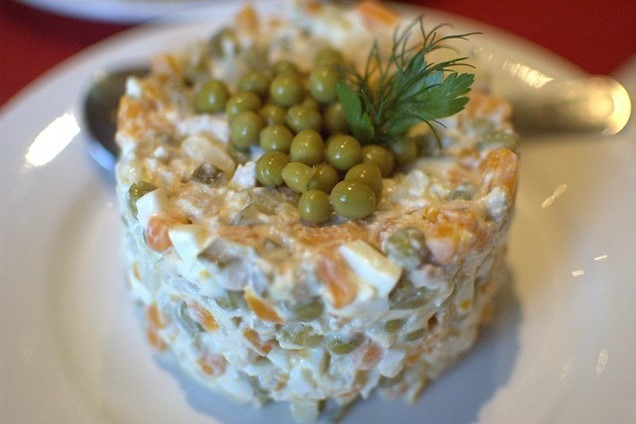
Last week, Russian-language social media groups in Estonia actively discussed a viral claim that Estonian authorities were allegedly planning to ban the traditional Olivier salad and fine citizens up to €500 for preparing it at home. The story, which originated from satirical Russian content and was later “localized” for Estonia, spread widely through Facebook groups and Russian-language Telegram channels. In these discussions, the rumour was frequently presented not as satire but as a plausible policy initiative, reinforcing the perception that Estonia is moving toward excessive regulation and cultural repression.
The narrative gained traction after a post appeared in a Facebook group linked to pro-Kremlin circles in Estonia, where Russian realities were replaced with Estonian ones and additional stereotypical elements were added — including claims that Olivier is a “Russian dish” targeted as part of anti-Russian policies. Many users reacted emotionally, interpreting the claim as further evidence of “Russophobia” and state intrusion into private life. The post received significant engagement and was subsequently amplified by local bloggers and Russian-language Telegram channels, where it reached a much wider audience.
Although some Estonian and Russian-language media later clarified that the story originated from satire and manipulation, this correction had limited impact on online discussions. In many social media groups, the focus shifted away from the actual source of the misinformation and toward mocking Estonian society and questioning the competence of both authorities and media. This episode illustrates how satirical or fabricated content, once reframed within existing grievance-based narratives, can effectively circulate in Estonian social media spaces and deepen mistrust, regardless of later fact-checking efforts.
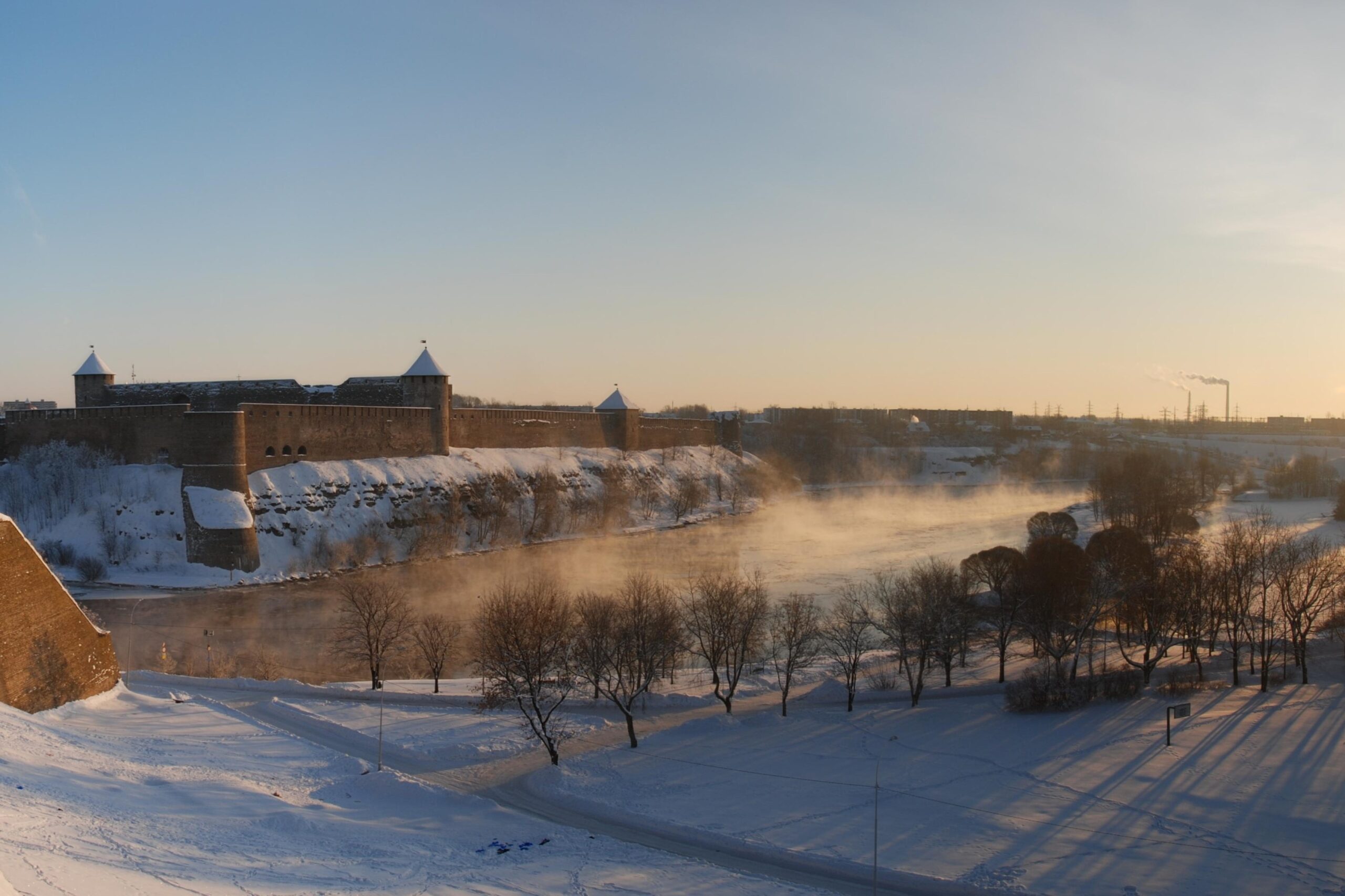
In the last week of December 2025, long queues at the Narva–Ivangorod border again drew the attention of social media commentators, as travellers waited for hours in freezing conditions due to the crossing being open only to pedestrians and operating under tightened security rules. Estonian authorities have kept vehicle traffic suspended and maintained strict customs and sanctions checks, citing security concerns linked to the war in Ukraine and repeated border incidents. Pro-Kremlin online commentators argue that the Estonian government has done little to ease the situation, pointing to inadequate infrastructure, limited opening hours, and a lack of shelter or effective queue management for people waiting in winter weather. While officials insist that easing controls would pose security risks and undermine EU sanctions enforcement, critics claim that ordinary travellers and cross-border communities are bearing the burden of Russophobic policies they describe as politically motivated and insufficiently humane.