Category:
Reports
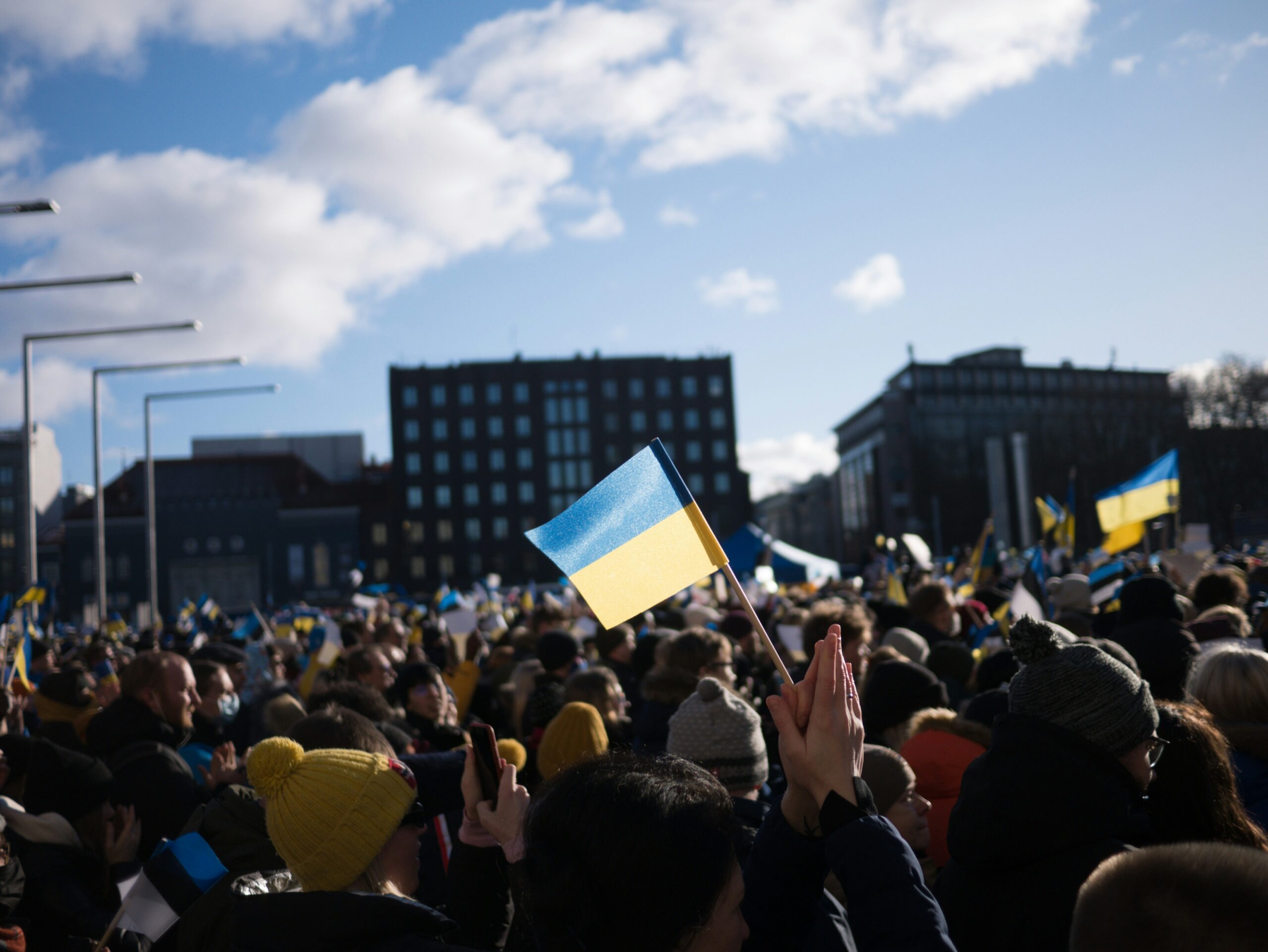
Estonia Weekly: Kremlin-Aligned Narratives Target Ukraine Aid
Pro-Kremlin commentators strongly criticized Estonia’s decision to host the 2027 Ukraine reconstruction conference, calling it premature and politically driven, while rising public frustration over economic issues — including a petition to reduce VAT on food and calls for protests — reflected broader discontent that echoed Kremlin narratives about economic decline due to defence spending and support for Ukraine.
Read more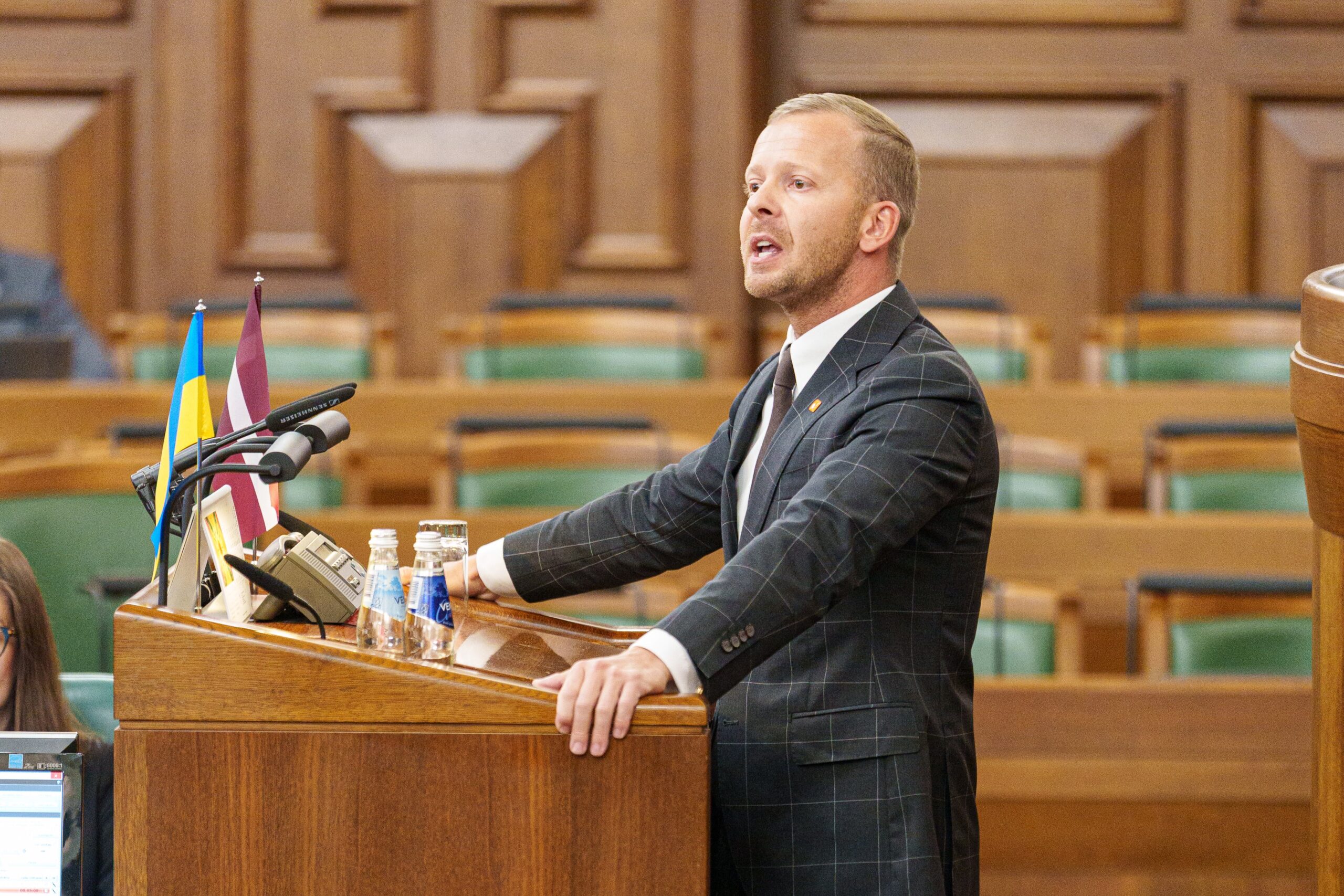
Latvia Weekly: Ethnic Persecution Claims and Conspiratorial Rhetoric
The Antifascists of Pribaltics and Roslikovs’ Telegram channels amplified narratives of ethnic persecution, moral decline, and Western control to portray Latvia as hostile to Russian speakers. Together, they deepen societal divisions and exploit legal and political tensions to fuel populist and pro-Kremlin sentiment.
Read more
Estonia Weekly: VAT Hike and Church Bill Fuel Disinformation
Estonia’s VAT hike and some new laws have become lightning rods for pro-Kremlin critics, who frame them as evidence of elitist governance and cultural oppression, especially targeting the Russian-speaking minority.
Read more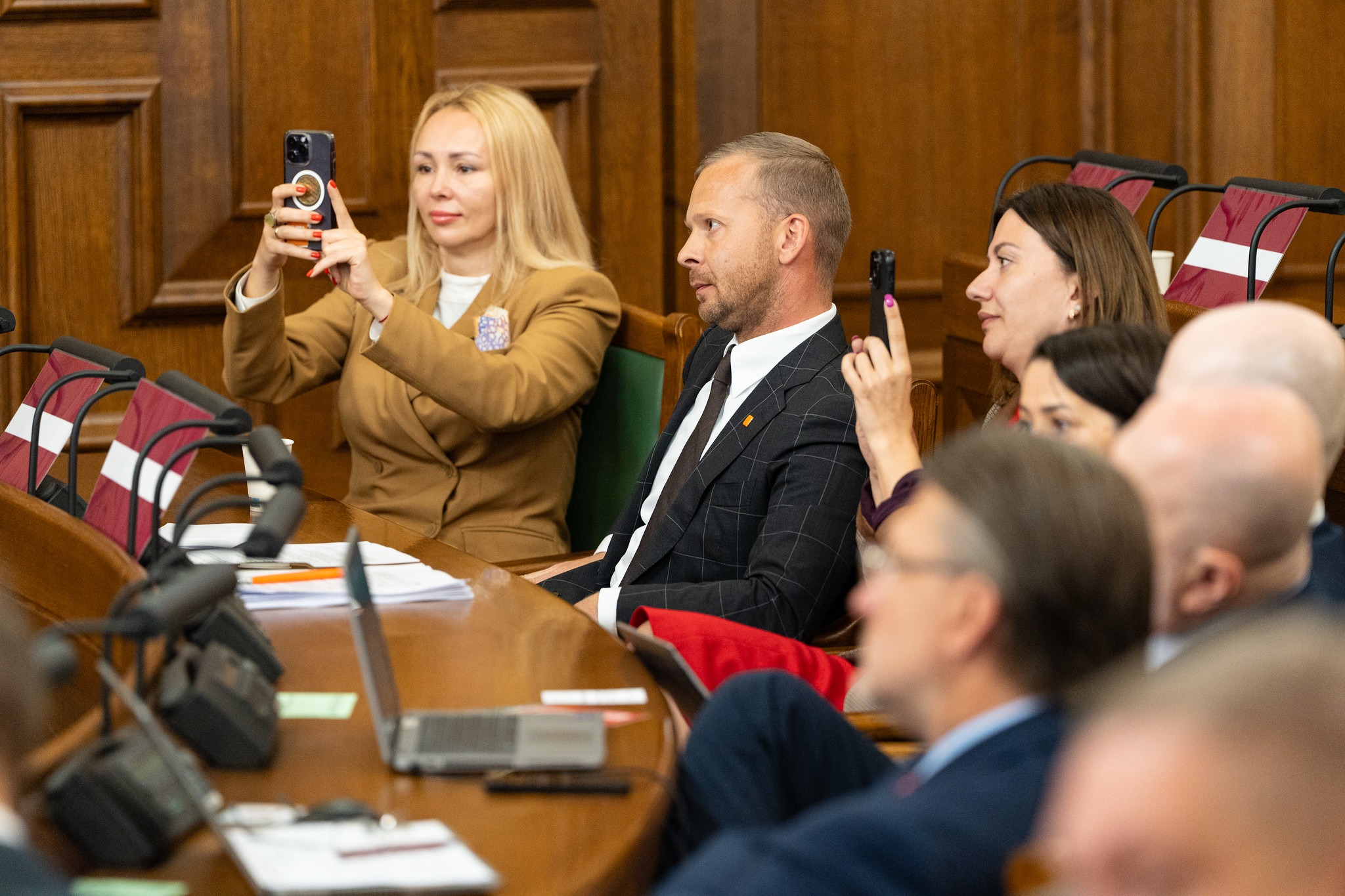
Latvia Monthly: Political Victimhood and Radical Messaging Fuel Tensions Between Communities
In June, Stability! party leader Aleksejs Roslikovs sparked controversy by declaring in Parliament, “There are more of us! We cannot be banned!” – a response to a nationalist proposal to restrict Russian language use. His remarks and viral social media posts were later amplified by pro-Kremlin media, highlighting how domestic tensions can fuel foreign propaganda.
Read moreShowing 77 to 80 of 396 results
Don't miss a story.
We publish stories that change laws, lives, minds and the world. Subscribe to our newsletter to get our investigations delivered to your inbox.