Main narratives:
- The incompetence of the current government
- Undermining threat from Russia/Belarus
- General anti-government sentiments
Overview:
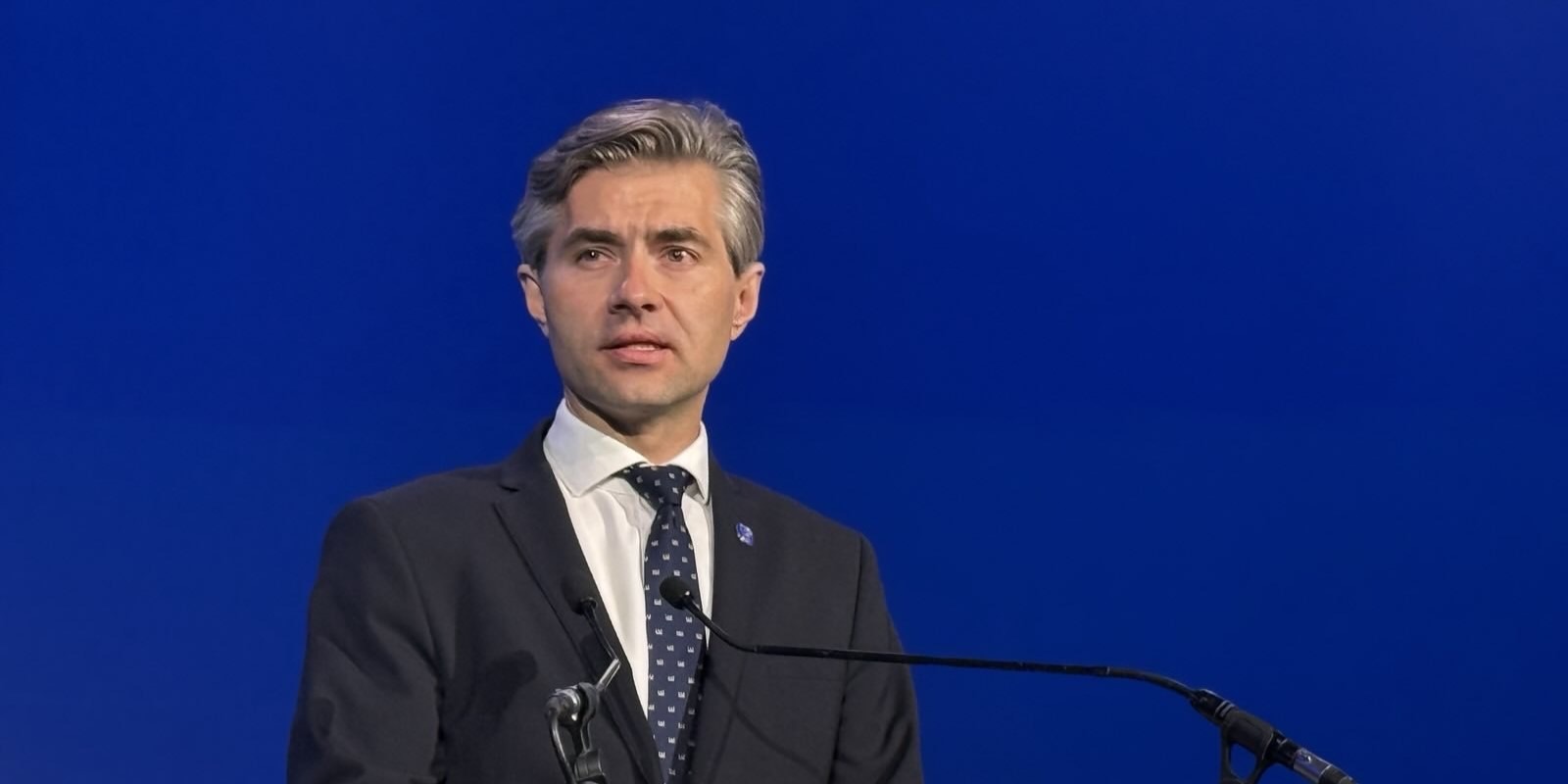
Last week, Kremlin-aligned media in Lithuania continued to amplify anti-government sentiment, this time seizing on new political tensions surrounding sanctions on Belarus. Narratives centered on MP Remigijus Žemaitaitis, who publicly opposed the introduction of additional sanctions against Belarus, arguing that Lithuania “should not pick fights with its neighbors” and claiming that the proposal had not been coordinated within the governing coalition that he is a part of. Kremlin-aligned commentators enthusiastically echoed his stance, pushing the rhetorical line that “perhaps ordinary people should be able to impose sanctions on our own Government for all their provocations,” framing Lithuanian policymaking as a monotonous cycle of “war, sanctions, and nothing else.”
At the same time, Kęstutis Budrys, Minister of Foreign Affairs, urged tightening restrictions on Minsk, describing the recent episodes of balloon launches from the Belarusian side as clear forms of a hybrid attack. His remarks were immediately mocked across Kremlin-aligned media spaces. Commentators criticized Budrys personally, mocking that “a combined fool sees a combined attack everywhere,” and insisting that Belarusians would “shrug off any sanctions.” This ridicule was used to reinforce a broader narrative portraying Lithuanian security concerns as exaggerated and detached from the “real” interests of citizens.
Another story that drew significant attention was the decision by the community initiative “Šilainių sodai” to refuse the Lithuanian Power Award presented by President Gitanas Nausėda. Within independent media and civic circles, the move was widely respected, interpreted as a principled act and a display of integrity amid the broader political climate. However, Kremlin-aligned audiences reacted with open ridicule. Commentators mocked the move as “arrogant” and “ill-mannered,” yet simultaneously used the incident as an opportunity to attack President Nausėda himself, folding the rage into ongoing anti-government narratives.